
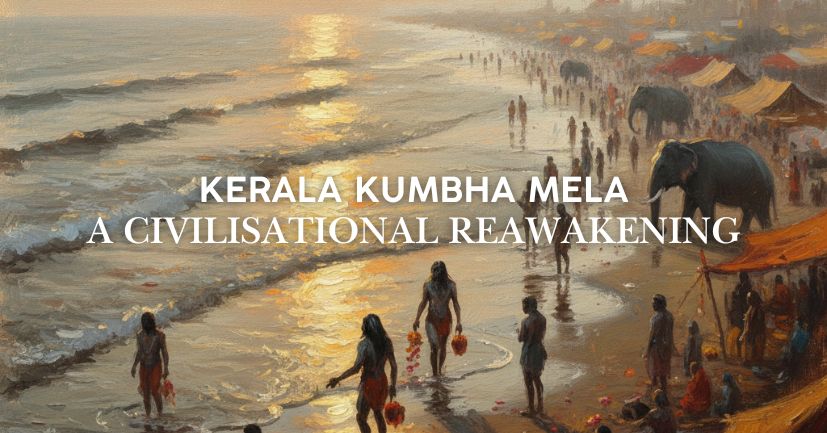
Ancient Roots in Itihasa and Puranic tradition holds that sages performed yajnas and penance here during Magha masa.
The devas themselves assembled at this kshetra for purification. The festival commemorates the cosmic churning (Samudra Manthana) and the descent of divine grace upon earth. For centuries, this Mahotsavam drew scholars, yogis, temple musicians, and devotees from across Kerala and Tamilakam. It functioned as a spiritual parliament of Kerala, much like how the Kumbh Mela served North India.
Disruption and Decline
Historical invasions, colonial interventions, and later socio-political pressures caused this ancient gathering to fade from public life for nearly 250 years. Temples were weakened, pilgrim routes forgotten, and rituals interrupted. Yet the memory of Magha Mahotsavam never vanished from temple lore and family traditions. It remained alive in palm-leaf manuscripts and oral histories.
Revival: A Civilisational Awakening
Its recent revival is therefore not just a festival reboot — it is a reclamation of Kerala’s spiritual inheritance. For many devotees, this return is compared to Lord Rama returning to Ayodhya —, a homecoming of faith after long exile. It also restores Kerala’s ancient role as a confluence of Vaishnava and Shaiva traditions. A bridge between Tamil and Malayalam spiritual cultures and A living reminder of Bharat’s pilgrimage network.
Let’s take a bird’s-eye view of the timeline of this great event
Ancient Period (Vedic–Bhakti Era | c. 3000 BCE – 9th century CE)
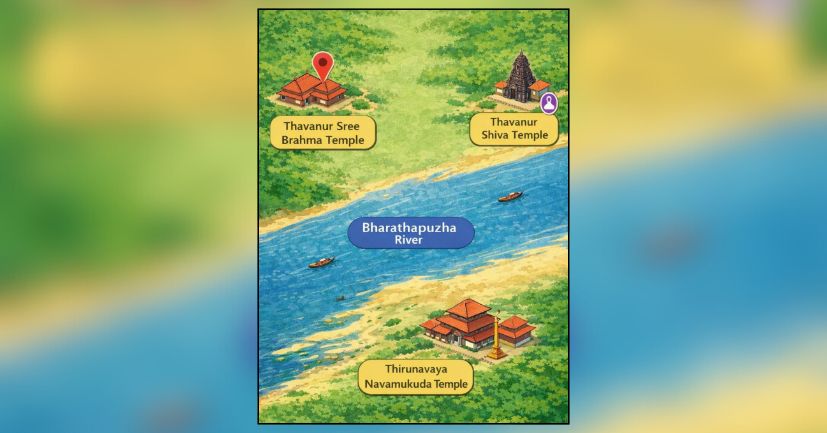
Birth of a Sacred Tirtha
The sacred region emerged as a Trideva Kshetra, with temples dedicated to Brahma, Vishnu (Navamukunda), and Shiva, making it one of the rare spiritual landscapes of Bharat where all three cosmic principles are worshipped together. The Navamukunda Temple was sanctified as one of the 108 Divya Desams of Mahavishnu, praised by the Alwars in the Divya Prabandham (6th–9th century CE).
This firmly anchored the site in pan-Indian Vaishnava tradition. During Magha month (Jan–Feb), sages, devotees, and scholars assembled for Tirtha snana (holy bathing) and for performing Yajnas
along with Vedic recitations, Bhakti music and discourse. Pilgrims believed that bathing here granted merit equal to the Prayag Kumbh, giving rise to the title “Kerala Kumbh Mela.” The Mahotsavam functioned as a spiritual parliament of Kerala, drawing people from across the Chera kingdom and neighbouring Tamilakam.
Medieval Period (10th – 16th century CE)
Royal Patronage and Cultural Peak
The festival received patronage from Kerala’s Hindu dynasties and temple-centred polities.
It became a hub of Temple arts (Krishnanattam, Koothu, Sopana sangeetham), Sanskrit and Tamil Malayalam scholarship, Exchange of Shaiva and Vaishnava philosophies, Merchant guilds and temple communities supported Free food (annadanam), Pilgrim shelters, Ritual processions. The Mahotsavam was not merely religious but also A social and economic gathering, A seasonal anchor for Kerala’s temple calendar.
Period of Disruption (16th – 18th century CE)
Invasions, Colonialism, and Decline
Foreign invasions, temple destruction in parts of Kerala, and political instability weakened pilgrimage routes. Portuguese and later colonial interference disrupted Temple land grants, Traditional revenue systems, and Temple-centred public festivals. By the 18th century, large-scale congregations like Magha Mahotsavam gradually disappeared from public life.
What survived was Memory in temple chronicles, Ritual fragments and Oral tradition among priestly families and devotees. For nearly 250 years, the Mahotsavam ceased to exist as a mass civilisational gathering.
Dormant Phase (18th – late 20th century)
Survival in Silence
The Trideva temples remained active, but the grand Mahotsavam was no longer held.
Knowledge of the festival was preserved in Palm-leaf manuscripts, Temple legends and local Vaishnava and Shaiva traditions. The idea of “Kerala Kumbh Mela” existed more as a memory than a practice.
Modern Revival (21st century)
Civilisational Reawakening
In recent years, devotees, temple authorities, and cultural organisations revived the Magha Mahotsavam based on Scriptural references, Temple traditions, and Historical continuity
The revival re-established Sacred bathing rituals Pilgrim assemblies, Discourses and cultural programs
Trideva worship unity. For many devotees, this revival symbolised A return of Kerala’s lost spiritual heritage, compared to Lord Rama’s return to Ayodhya after exile.
It also revealed enormous Cultural potential, Pilgrimage tourism impact and Identity rooted in Sanatana Dharma.
Why this Timeline Matters
The journey of Magha Mahotsavam reflects the story of Sanatana Dharma itself:
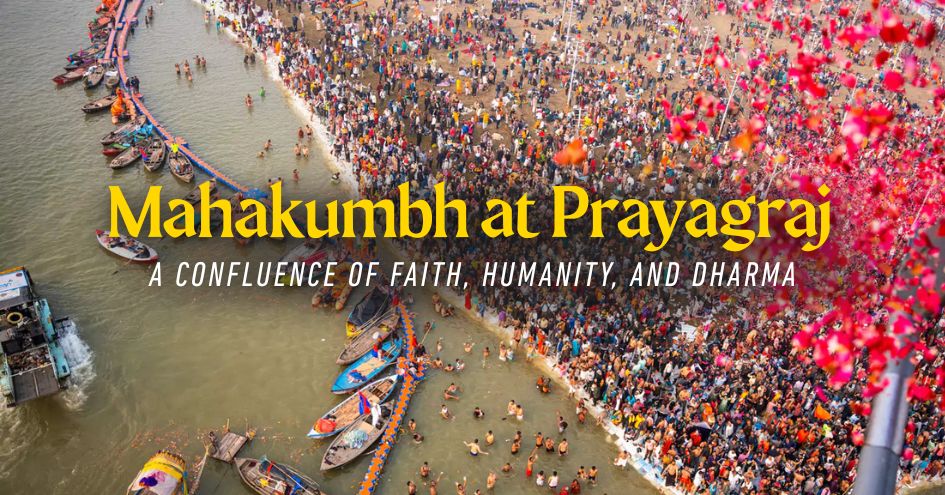
Prayag Kumbh is rooted in the Puranic tradition of Samudra Manthana and the fall of Amrita at Prayag (Triveni Sangam) and it is recognised as a supreme tirtha in Rigvedic and Puranic geography. It became a pan-Indian pilgrimage site, drawing sages and ascetics from across Bharat, whereas the Magha Mahotsavam of Kerala developed into a Trideva Kshetra with temples of Brahma, Vishnu, and Shiva.
Anchored by the Navamukunda Divya Desam, praised by the Alwars.
Sacred bathing during Magha month is believed to be equal in merit to Prayag snana.
Served as Kerala’s own indigenous Mahasammelanam of devotees and saints.
Both functioned as spiritual parliaments of their regions.
It shows that traditions can be suppressed, forgotten, and yet resurrected — not as museum pieces, but as living faith.
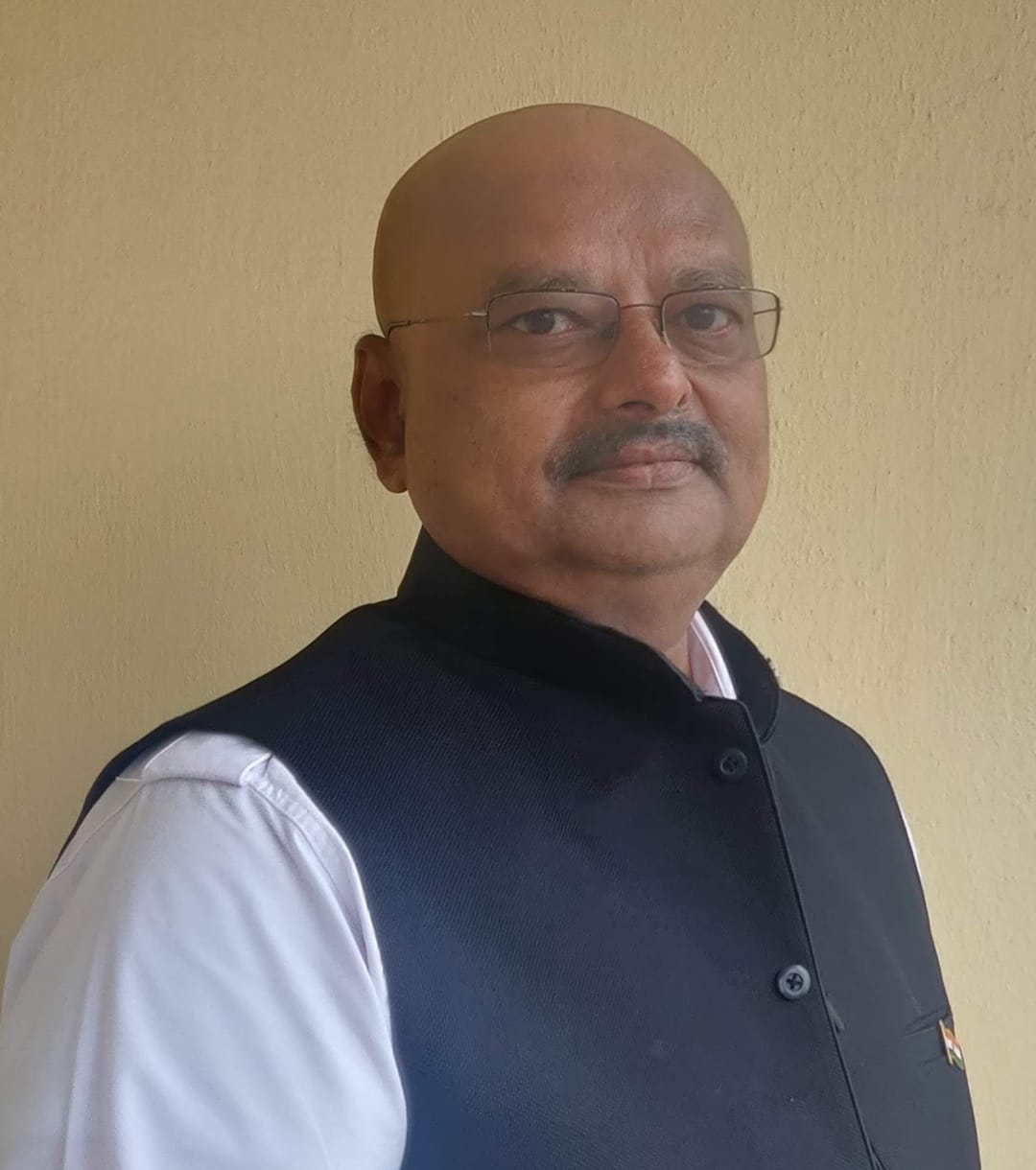 Wing Commander BS Sudarshan is a former Indian Air Force pilot with over 12,000 flying hours. He participated in Operation Pawan and Operation Cactus before he transitioned to civil aviation. A passionate writer, he has authored six books, including "Hasiru Hampe", appreciated by S L Bhyrappa, and the latest "Evergreen Hampi". He is a regular contributor to the Verandah Club.
PREVIOUS ARTICLE
NEXT ARTICLE

Ashadhi Ekadashi, also known as Shayani Ekadashi, falls on the 11th lunar day (Ekadashi) of the bright fortnight (Shukla Paksha) of the Hindu month of...
Every year, as the monsoon rains dance on the fields of India, an ancient story unfolds in the hearts of millions. It is the story of Krishna, the bel...
Ganesh Chaturthi, also known as Vinayaka Chaturthi, is a significant Hindu festival that honors Lord Ganesha, the deity revered as the remover of obst...
Verandah Club is an initiative by few like-minds of Coimbatore who are interested to share information on various antiquities of Bharat.
Free download our iOS & Android app
© Copyright 2026, All Rights Reserved.