
There is a point at which training must become opportunity.
For many young adults with developmental and communication difficulties, considerable effort goes into childhood intervention, education and vocational training. Yet, somewhere between learning a skill and entering adult life, a gap emerges. They may know how to make something, paint something, print something or pack something—but where do they go the next morning? Where do they work? Who pays them for what they can do? And, perhaps more importantly, where do they find the dignity and routine that come with having a profession?
For Mrs. Lavanya, these were not abstract questions. They were questions she had encountered both professionally and personally.
Having worked with NGOs for nearly 17 years as a freelancer, she had seen the enormous value of their work. She had also seen where their ability to support an individual could sometimes reach its limit.
“Vocational training stops at many places,” she explains. “After that, these children become invisible.”
As they enter adulthood, employment opportunities become scarce. Years later, when ageing parents can no longer provide the same level of care, families may once again approach support organisations. Lavanya saw an important stretch of adulthood disappearing in between—years in which these young people could have been working, earning and participating in society.
As a mother herself, one question remained particularly close to her: What next?
Her answer became Beyond Brushes.
A Company, Not a Charity
Lavanya is particular about one distinction.
Beyond Brushes is not a self-help group. It is not an NGO. It is a company.
That distinction is central to the idea behind it.
“There should be a purpose for everybody to get up the next morning,” she says.
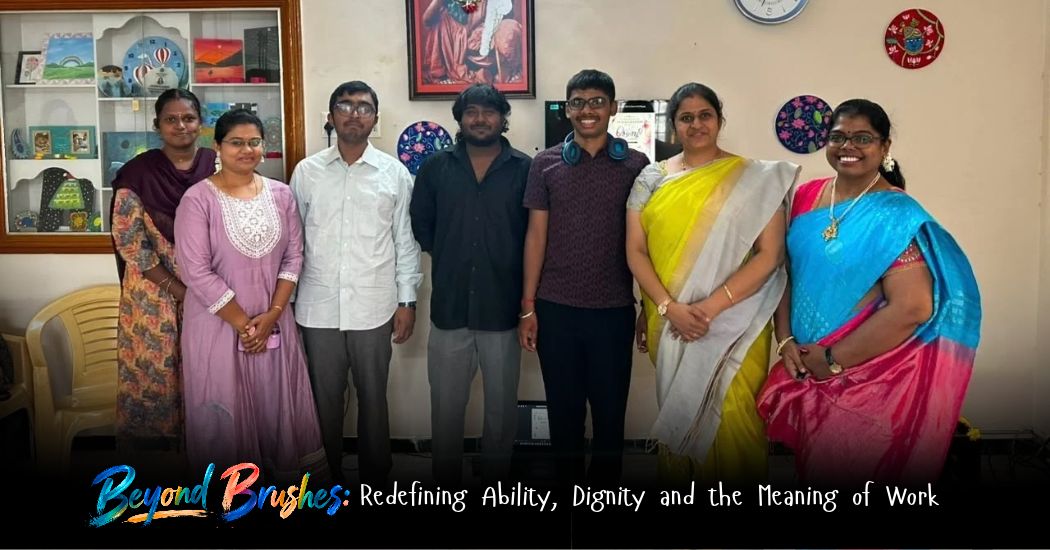
Beyond Brushes began at Lavanya's home in 2024 with her son. What began as an attempt to create meaningful work for him gradually grew into something larger. If a sustainable working environment could be created for one person, she reasoned, why could the same space not be opened to others?
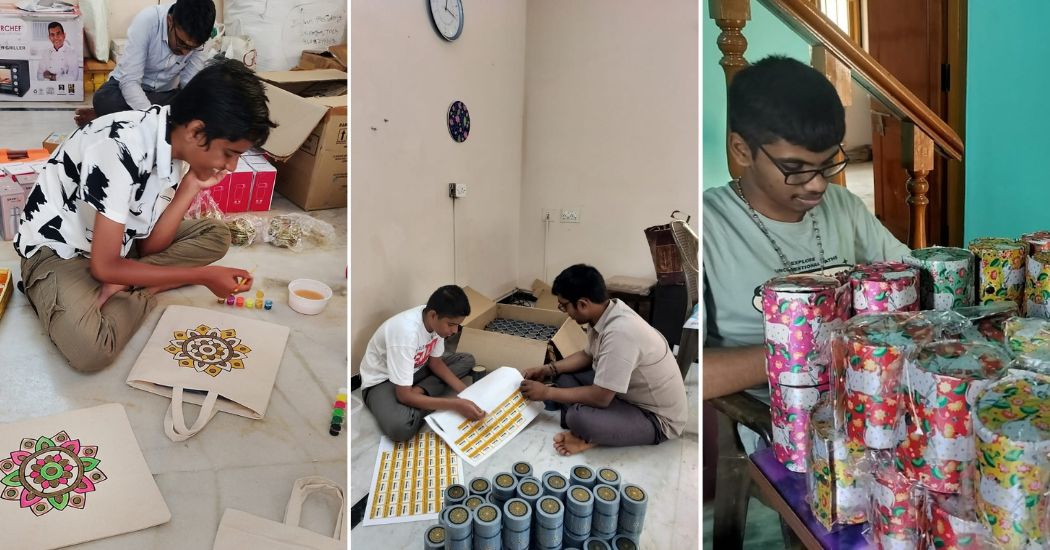
Today, young adults work directly with Beyond Brushes as employees and trainees, while others participate through home-based work. For those who cannot travel to the workplace, suitable projects are sent home. The completed work is returned, and they are paid for it. Beyond Brushes currently supports 17 such indirect beneficiaries in addition to those who work with the company directly.
The formal business structure matters precisely because of that last sentence: they are paid for their work.
This is not merely an activity intended to occupy a few hours of the day. Beyond Brushes wants its people to understand the ecosystem surrounding a product as well—making it, printing it, packing it, billing it and understanding how it reaches a customer.
It is an attempt to bridge that difficult space between vocational training and employment.
When Discipline Becomes a Diagnosis
There was a fascinating turn in our conversation with Lavanya. We began discussing the difficulties faced by the young adults working at Beyond Brushes, but somewhere along the way, the question itself seemed to turn around.
What if, sometimes, we are looking at difference only through the lens of deficiency?
Lavanya does not deny the challenges. Some of the young adults she works with have difficulty socialising and communicating. Processing can take longer. Rigidity around routines can make sudden changes particularly difficult. These are real, and different individuals may require very different levels of support.
But spend a working day with them, she says, and another set of characteristics becomes equally difficult to ignore.
They are remarkably punctual. They follow instructions precisely. They value routine. They do not casually abandon responsibilities. When something is supposed to happen at a particular time, they expect it to happen at that time.
If they are told to be ready at 3.30 PM, they may be standing outside at 3.25.
The rest of us might arrive at 3.40 and call it normal.
That led our conversation towards a rather uncomfortable question: in a world increasingly comfortable with indiscipline, when did discipline itself begin to look abnormal?
Lavanya laughs when she describes their relationship with time. If the office closes at 4 PM, by 4.15 everyone is out. Saturday and Sunday are holidays; an urgent order is the management's problem, not an invitation to casually rewrite the week's routine.
“You told 3.30. You have to be 3.30. That's all,” she says, describing their understanding of time.
Of course, rigidity can become a genuine difficulty. A person who cannot comfortably adapt when plans inevitably change may experience distress that someone else would not. But Lavanya's larger argument is worth considering: why are we so quick to catalogue what these individuals cannot do while overlooking the extraordinary consistency with which they do certain things?
Modern society has developed an extensive vocabulary for human differences. That vocabulary has enormous value when it helps people understand themselves, obtain appropriate support and access accommodations. But labels become limiting when the label arrives before the person.
Lavanya sees this happen often.
The difficulty becomes the identity.
The diagnosis becomes the introduction.
And qualities such as punctuality, attention to routine, sincerity, sensitivity and precision disappear behind it.
There is an irony here. We live in a culture that frequently romanticises disorder—being late becomes fashionable, inconsistency becomes spontaneity, and a disregard for routine can be mistaken for freedom. Against that background, someone who takes a commitment literally can appear unusually rigid.
Perhaps the problem is not always that they are doing something wrong. Sometimes, the rest of us have simply become accustomed to doing it imperfectly.
Beyond Brushes does not attempt to pretend that autism or developmental differences carry no difficulties. Nor does it ask us to romanticise them in the opposite direction. Instead, its workplace asks a more useful question:
What can this person do exceptionally well?
Once the question changes, so does the person we begin to see.
The employee who requires additional time to process a conversation may also be the employee who follows a task exactly as instructed. The person distressed by an unexpected change in schedule may also be the person who will almost never keep you waiting. Someone who struggles with conventional social communication may nevertheless bring tremendous sincerity, affection and sensitivity into the relationships they form.
“They are very affectionate, very sensitive, very emotional,” Lavanya says.
For her, these are not people waiting to be reduced to what is “wrong” with them. They are people with distinct qualities, genuine difficulties, particular strengths and, above all, the same need for purpose that the rest of us carry.
And perhaps that is where inclusion really begins—not when we sympathetically make space for someone we consider lesser, but when we recognise that difference is not automatically deficiency, and discipline is not a disease.
Products That Must Stand on Their Own
Walk through the products of Beyond Brushes and the range makes the word “craft” feel rather inadequate.
The company works across roughly 200 to 250 product variations, with customisation forming a significant part of its offering. There are return gifts, corporate gifts, T-shirts, printed bags, hair accessories, jute products, pouches, festive gift boxes, fridge magnets and several other products suited to events and occasions.
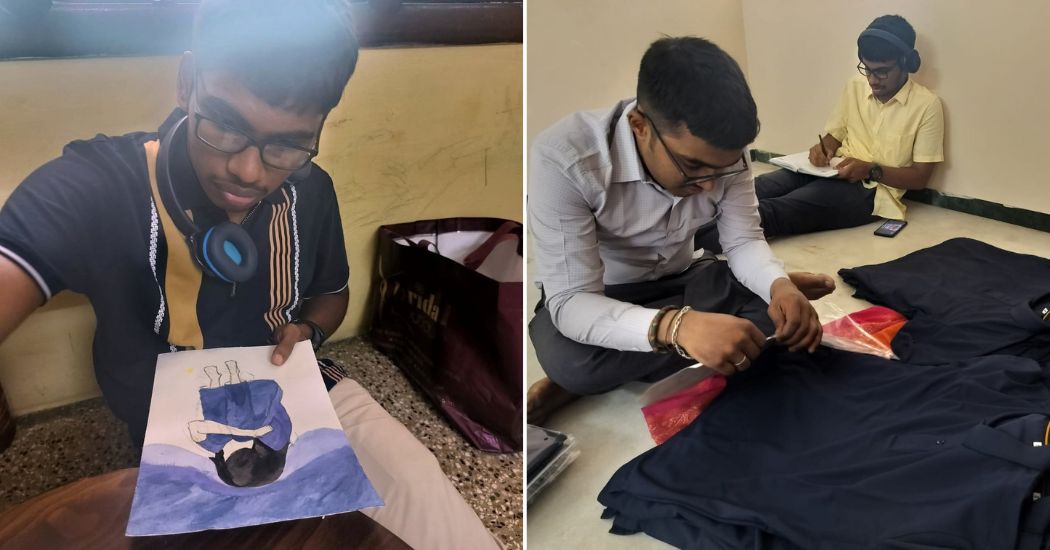
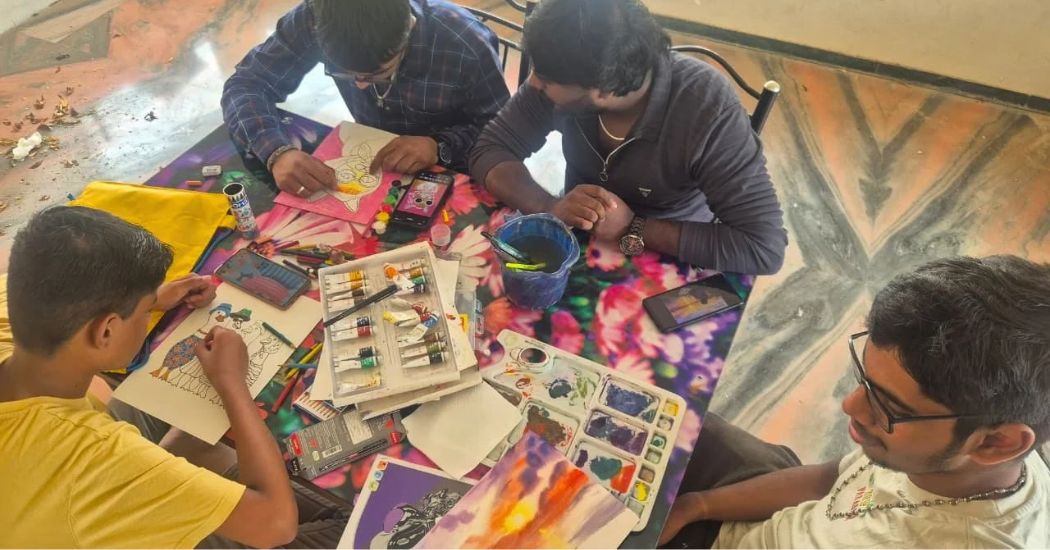
The team is trained in techniques including DTF printing and screen printing, allowing branding and artwork to be applied to T-shirts, bags and other suitable surfaces. They also make biscuits and work on packaging and gifting.
Digital art opens another interesting avenue.
Artwork created by the young adults is adapted into usable products such as calendars and diaries. Art, therefore, does not remain confined to a sheet of paper. It becomes part of something that can enter a home or office, be purchased, gifted and valued.
Sustainability too finds its way into the products. A festive laddu box, for instance, is made using steel so that the container does not become waste once the sweets are finished. A traditional haldi-kumkum offering can be incorporated into a fridge magnet, giving the object a life beyond the occasion for which it was presented.
There are jute and canvas products, vanity pouches using juco material and Ajrakh prints, corporate merchandise and branded sports T-shirts.
Beyond Brushes also extends its platform beyond those who physically work there. Lavanya showed us products made by a young person with cerebral palsy in Madurai along with his mother. She procures their work and brings it into the Beyond Brushes ecosystem.
Inclusion, here, need not always mean bringing everybody into one building. Sometimes it means taking the market to where they are.
No Sympathy Selling
Perhaps the clearest expression of Lavanya's philosophy comes when the conversation turns to quality.
She does not want a customer buying something simply because of who made it.
“At the end of the day, it is a competition. You have to compete in the market,” she says. “I cannot compromise on quality because of this reason.”
That principle explains why she deliberately chose a business structure rather than building Beyond Brushes around charity.
Sympathy may persuade someone to make one purchase. It cannot build a sustainable company, and more importantly, it does not necessarily give the person who made the product the respect Lavanya wants for them.
The product must deserve its place in the market.
The customer must be able to look at the workmanship, usefulness, aesthetics and price and decide that it is worth buying.
“Pay for the quality,” she says.
Nor does she want inclusion to become an excuse for inflated pricing. Beyond Brushes attempts to remain competitive with comparable products in the market. Lavanya says their prices can even be lower than comparable products found on large online marketplaces.
The additional effort required by its workforce is something she wants customers to recognise, but not something she wishes to exploit commercially.
There is considerable dignity in that approach.
The maker is no longer someone to whom a favour is being done. The relationship becomes wonderfully ordinary: one person makes something well, another person values it enough to buy it, and the maker earns for the work.
That ordinary exchange is precisely what has been missing for far too many people.
The Routine of Belonging
Beyond the salary, employment provides something that is difficult to put on an invoice: routine.
Lavanya has observed how important that routine can become for the people working with her.
“The best part of having them as employees is they don't take leaves,” she says with a smile. Even when unwell, some want to turn up because coming to work has become an important part of their day.
They know when they arrive. They know what they have to do. They know when their breaks occur and when the working day ends.
It is easy to underestimate what that means.
Employment gives most of us far more than money. It gives shape to a week. It creates colleagues, responsibilities, deadlines and small achievements. It allows someone to say, I have somewhere to be today.
Why should that sense of purpose belong only to some of us?
Lavanya hopes parents of young adults with developmental differences will recognise this possibility and resist the instinct to keep them permanently within the safety of home.
“At least give them a routine,” she urges.
Not every individual will do the same work, learn at the same speed or require the same degree of assistance. The objective is not to pretend those differences do not exist. It is to stop allowing the differences to erase the person behind them.
And that requires working with families as much as it requires working with the young adults themselves.
Training, counselling and parental orientation consume much of Lavanya's time. It is also one of the reasons Beyond Brushes has grown largely through word of mouth rather than an aggressive online presence. For now, she would rather spend that time with the people for whom the enterprise was created.
Growth matters. But purpose comes first.
Beyond Brushes, Indeed
There is a quiet appropriateness to the name Beyond Brushes.
The work may begin with art, printing, craft, fabric, a gift box or a brush in someone's hand. But the real story has very little to do with any one product.
It is about what lies beyond the brush.
A working day. A salary. A responsibility. A customer waiting for an order. A parent seeing an adult child participate in the world. An artist seeing his or her drawing become a calendar. A young person waking up knowing that there is somewhere to go and something expected of them.
Lavanya's own journey into this work began with her son, but it has gradually widened to include other families.
Her faith too remains quietly woven into the way she understands that journey. A devotee of Mahaperiyava, whom she regards as her spiritual guide, she believes that people enter our lives with a purpose—perhaps to receive something through us, perhaps to accomplish something through us.
Beyond Brushes therefore does something more subtle than providing employment. It challenges the direction in which we usually look.
Instead of always asking why these young adults do not behave more like the rest of us, perhaps occasionally the question ought to be reversed.
What might the rest of us learn from their punctuality, sincerity, precision and commitment to routine?
A society accustomed to imperfection can very easily mistake exactness for rigidity. A world that has learnt to laugh about being late can find an insistence on punctuality excessive. And when human behaviour is increasingly understood through labels, there is always the danger that the label becomes more visible than the human being carrying it.
None of this means denying disability or the very real support some individuals require. It means refusing to define an entire person by those difficulties.
At Beyond Brushes, a diagnosis does not make the product.
The person does.
And when that product enters the market, Lavanya does not ask us to lower our expectations, pay out of sympathy or applaud merely because it was made under difficult circumstances.
She asks us to judge the work.
Perhaps that is one of the purest forms of dignity we can offer.
For Lavanya, however, the principle underneath everything remains simpler still.
“It is only humanity,” she says. “Nothing more, nothing less.”
Perhaps that is also the strongest way to understand Beyond Brushes.
Not as an extraordinary world created for extraordinary people, but as an effort to make something thoroughly ordinary available to everyone—the dignity of useful work, the satisfaction of earning, and a reason to wake up tomorrow morning.
Note : Those interested in purchasing or customising products from Beyond Brushes, placing corporate or occasion-gifting orders, collaborating with the initiative, or exploring work opportunities may contact Mrs. Lavanya and the Beyond Brushes team at 8754403069 ; 9840703069
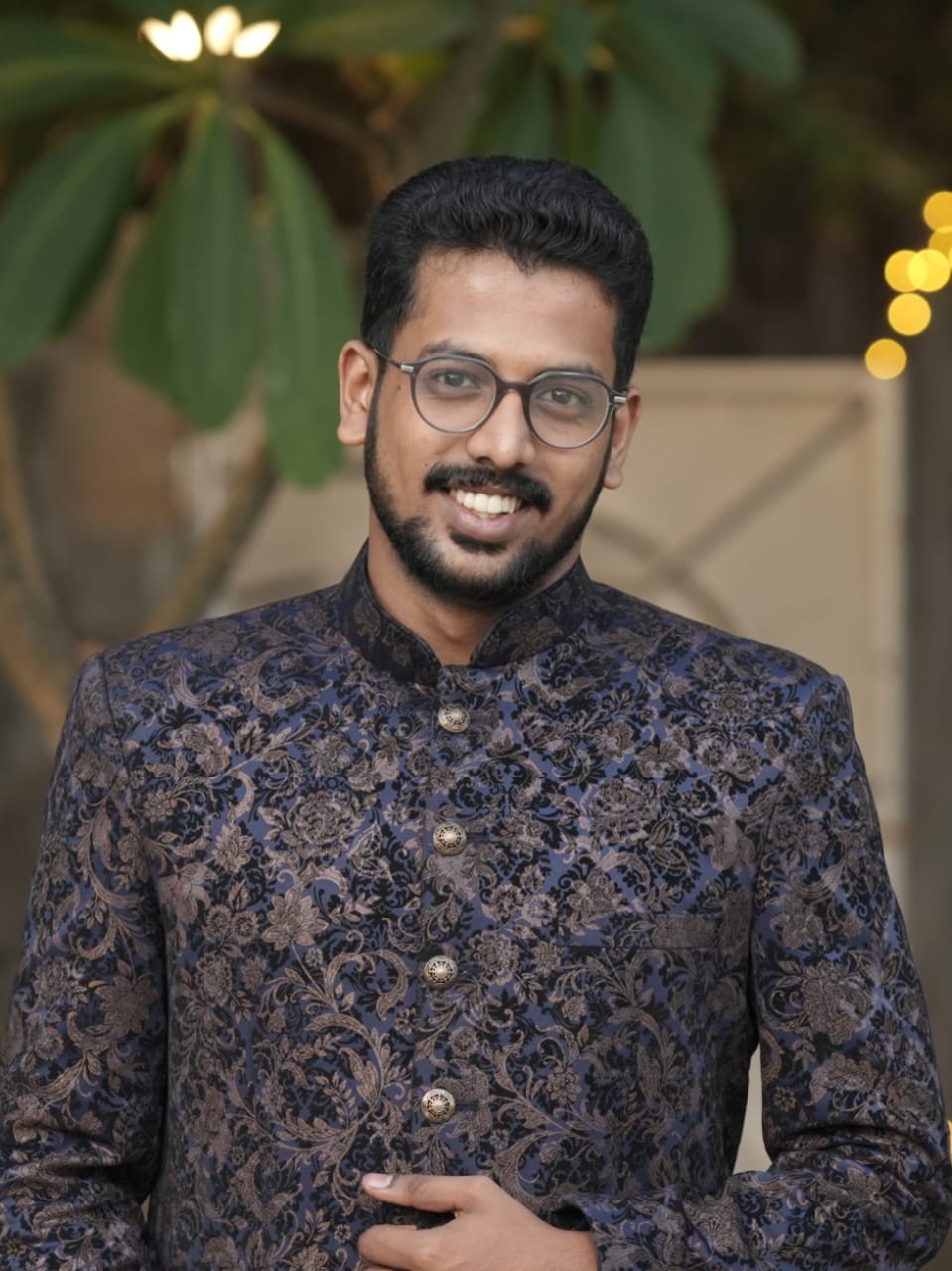 Vigneshvaran, Senior Correspondent of TheVerandahClub.com is a second generational acupuncture practitioner, a story teller, as well as an avid independent writer driven by his passion. His literary talents extend to crafting beautiful poems and captivating short stories including the Sehwag Tales series. In addition to these creative pursuits, he has also authored a book titled "Halahala," which can be found on Wattpad.

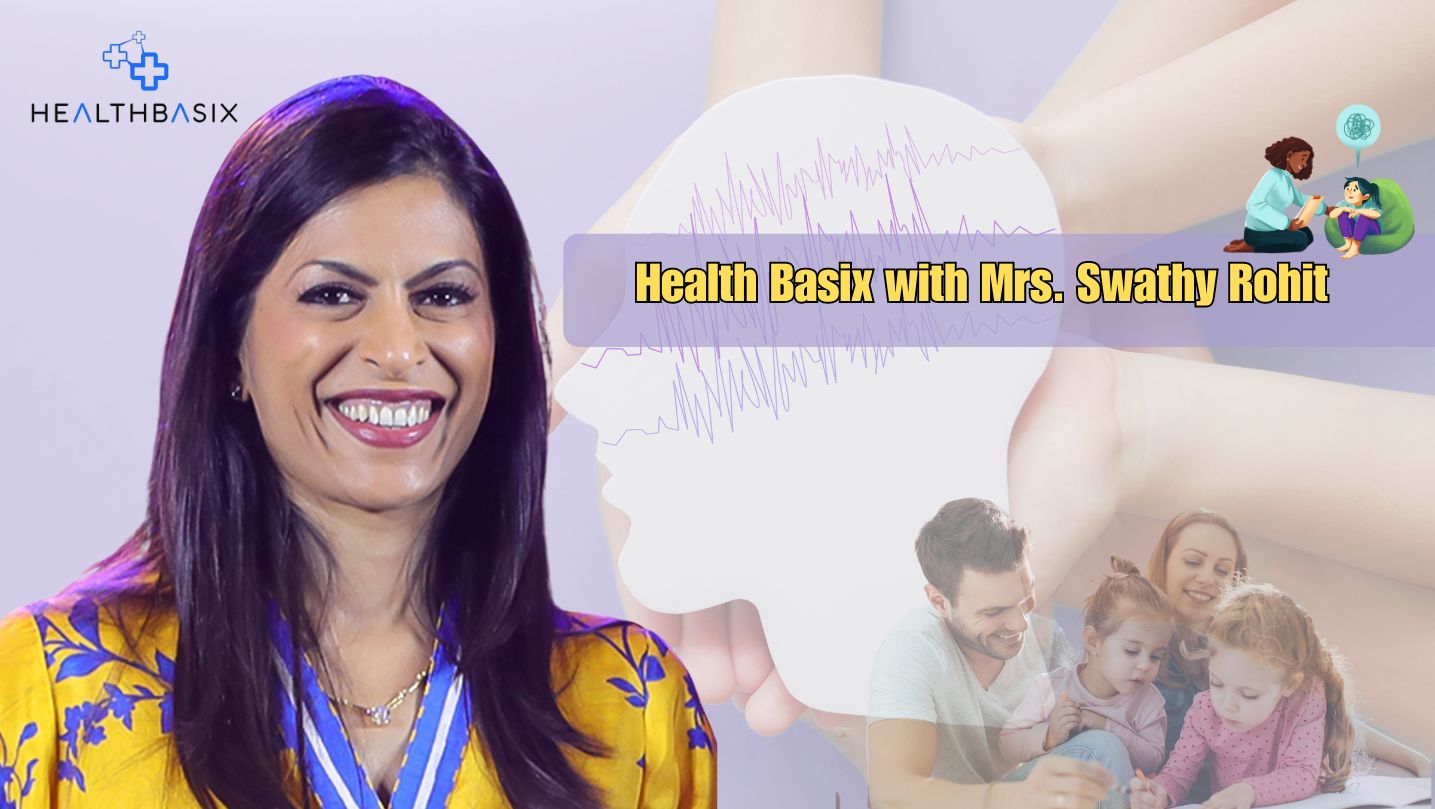
"A staggering one in five children in India is pre-diabetic," revealed Mrs. Swathy Rohit, the visionary founder of Coimbatore-based digital health p...
Where a rhythmic cadence of music blends seamlessly with the structured world of auditing, we found Mukund Swaminathan, a 26-year-old maestro who has...
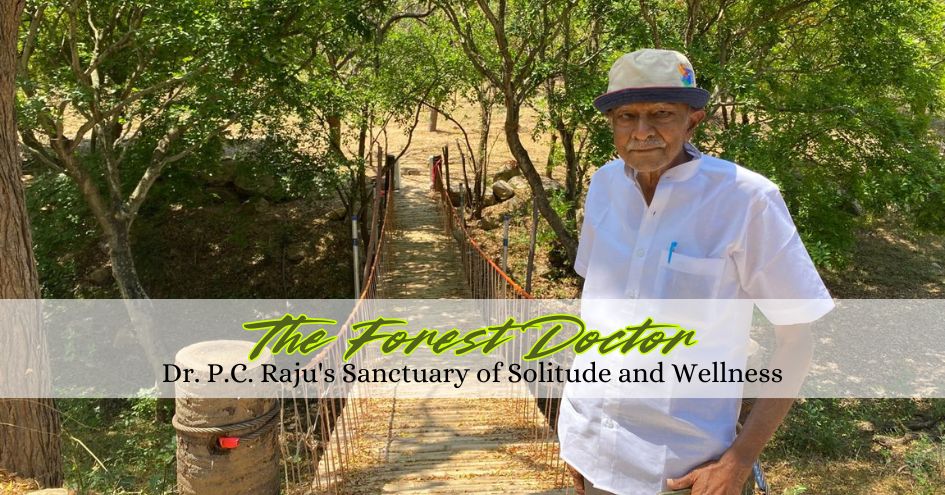
"Life doesn't offer retirement, only professions do. While I've stepped away from my practice, I haven't retired from living. No one truly retires whi...
Verandah Club is an initiative by few like-minds of Coimbatore who are interested to share information on various antiquities of Bharat.
Free download our iOS & Android app
© Copyright 2026, All Rights Reserved.