

Durandhar arrives not merely as a film or a book but as a statement of intent—a bold artistic attempt to re-imagine the figure of the national protector. The word Durandhar itself evokes a sense of ancient responsibility, suggesting “the one who carries the burden of defense and destiny.”
In this narrative universe, the creators present characters who transcend ordinary human limitations—individuals forged in the crucible of discipline, strategic brilliance, and courage. These characters resonate with the mythical, yet are firmly rooted in the contemporary Indian reality of intelligence, security, and geopolitics.
From the very beginning, Durandhar sets out to examine what it means to live as a custodian of the nation, a life defined not by comfort or visibility but by secrecy, sacrifice, and unwavering clarity of purpose. The superhuman quality attributed to these protectors—clearly inspired by real-life figures like Ajit Doval—is not one of supernatural ability but of extreme human refinement, the kind achieved through decades of service, intellectual sharpness, and mastery over conflict.
The Heroic Archetype: More Than Flesh and Blood
One of the strongest achievements of Durandhar is the creation of a protagonist who embodies the qualities the public often imagines in legendary national security figures. The character is not portrayed as a typical cinematic hero but as a strategist, diplomat, warrior, and philosopher rolled into one. His strength is subtle, controlled, almost meditative. He doesn’t overpower situations; he outthinks them. The writing captures the rare combination of calmness under fire and ferocity in purpose that defines such individuals.
This portrayal evokes the aura often associated with the “superhuman” perception of someone who has spent a lifetime navigating danger, thinking several moves ahead, and shaping India’s strategic posture. Yet the narrative remains fictional; the homage lies in the qualities rather than any direct representation.
Narrative Depth: The Making of a Protector
The central theme of Durandhar is not action but evolution. The story devotes considerable space to tracing how an ordinary citizen transforms into a silent guardian.
We see:
This character study is one of the highlights of the work.
The creators resist the temptation to glamourize espionage or national service, choosing instead to show its raw, unfiltered truth.
Every mission, every operation, every negotiation builds the protagonist into a figure who seems nearly superhuman—not because of fantasy, but because of the enormity of responsibility he carries without complaint.
The Philosophy of Duty
What separates Durandhar from routine patriotic fiction is its philosophical backbone. The narrative frequently reflects on questions like:
These reflections elevate the narrative. The protagonist’s internal monologues are among the most compelling passages, echoing a stoic worldview reminiscent of ancient Indian warrior-philosophers and modern strategic thinkers alike. His approach to conflict is shaped by prudence, patience, and psychological insight—virtues that the story subtly ties to mentors and predecessors, clearly alluding to real-world legends who shaped India’s security doctrine.
Pacing and Craft
Structurally, Durandhar unfolds across three modes:
The pacing is deliberate and confident. It does not rush to explosions or chases; instead, it allows tension to build organically. The creators understand that real strategic brilliance is displayed not in fights but in anticipation, deception, timing, and negotiation.
The dialogue is crisp, layered, and intelligent. Even casual exchanges carry subtext. The conversations between the protagonist and his core team members stand out for their authenticity—they feel like exchanges between minds trained to examine every angle before making a move.
Thread of Loyalty, Trust, and Silence
One of the most compelling threads in Durandhar is the exploration of isolation. The protectors of a nation often work in silence, uncelebrated and unseen. They carry secrets they can never share, burdens they can never offload. The protagonist’s interpersonal relationships reflect this tension—his sense of loyalty is enormous, yet his personal life remains sparse. This duality forms one of the most emotionally resonant dimensions of the story.
The theme of trust—between agents, between institutions, between mentor and protégé—runs throughout the narrative. These bonds are not romanticized but shown as brittle, sacred, and constantly tested.
Action Rooted in Intellect
While Durandhar contains sequences of conflict, it never devolves into mindless action. Instead, each tactical engagement is designed to demonstrate:
This again reflects the influence of legendary intelligence figures. The protagonist’s approach mirrors the philosophy of “minimum force, maximum impact,” often associated with India’s most respected security minds.
World-Building and Realism
The story spans multiple geographies:
The creators invest serious effort in constructing authenticity:
These details enrich the world without overwhelming the narrative. They anchor the story in the contemporary Indian context, making the protagonist’s challenges feel real and immediate.
A Tribute to the “Silent Warriors”
At its core, Durandhar is a tribute—not to a specific person, but to a legacy of protectors who operate far from the public eye. In celebrating these “superhuman” individuals, it shifts the conversation away from glamour and towards discipline, intellect, courage, and integrity.
The character modeled after this archetype becomes a symbol of what quiet national service can achieve. His heroism is not loud; it is measured, intentional, and rooted in moral clarity. He is a reminder that India’s security is often shaped by individuals whose greatest victories are never known.
Durandhar succeeds because it merges storytelling with reverence—gripping yet thoughtful, heroic yet realistic. Most importantly, it honors the silent guardians whose lives echo the extraordinary qualities attributed to legendary figures such as Ajit Doval.
By the time the story ends, the title feels wholly earned. A Durandhar is not born; he is forged. And this work celebrates that forging with depth, dignity, and power.
Here’s looking forward to the sequel in March 2026.
॥ Dharmo Rakshati Rakshitah ॥
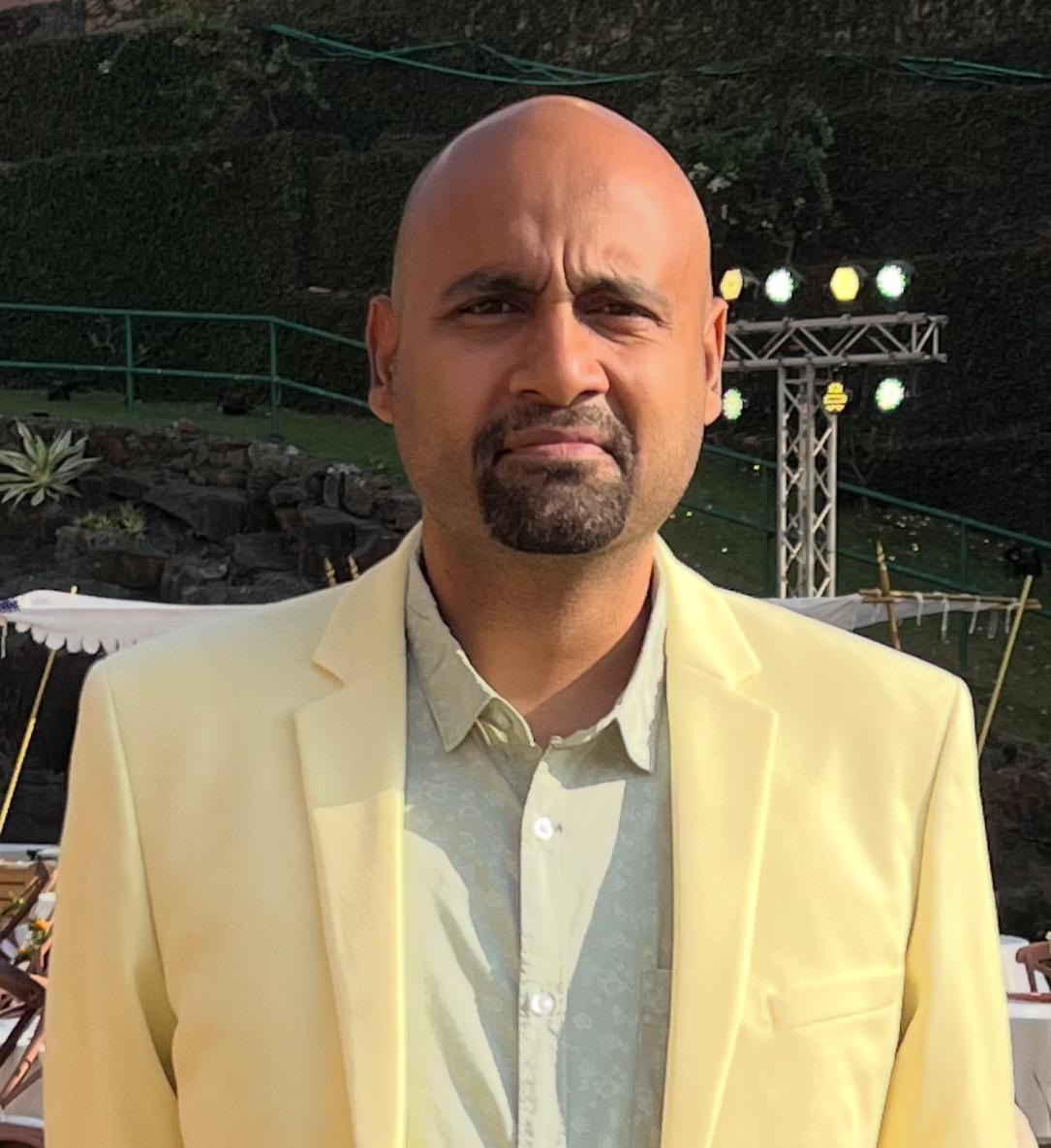 Founder of The Verandah Club and Convenor of INTACH Coimbatore. A passionate traveller and trendspotter, he lives by the philosophy Dharmo Rakshati Rakshitah.

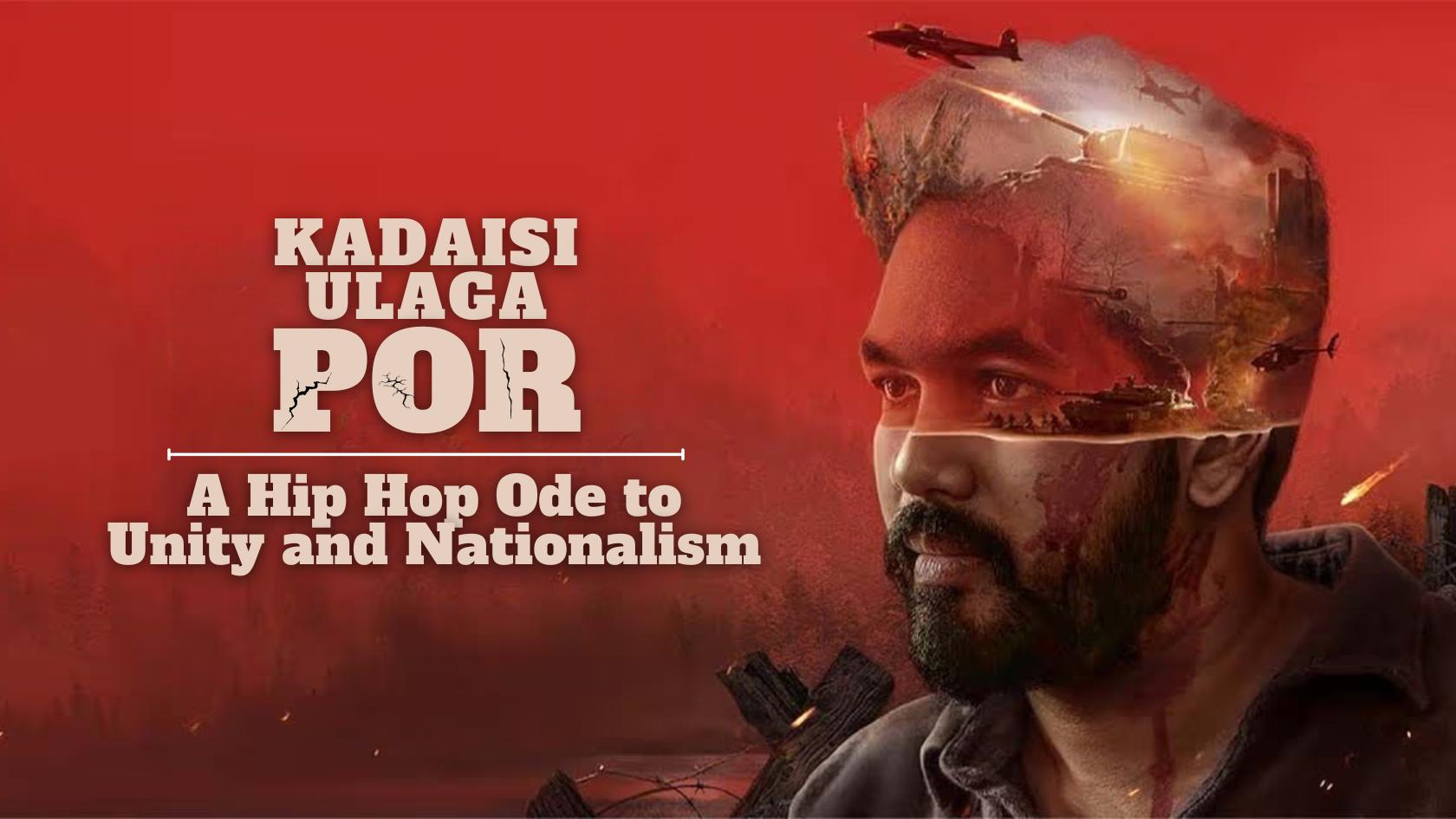
Hiphop Tamizha's "Kadaisi Ulaga Por" (The Last World War), released in 2024, transcends the typical action-packed sci-fi war movie genre. It embeds a...
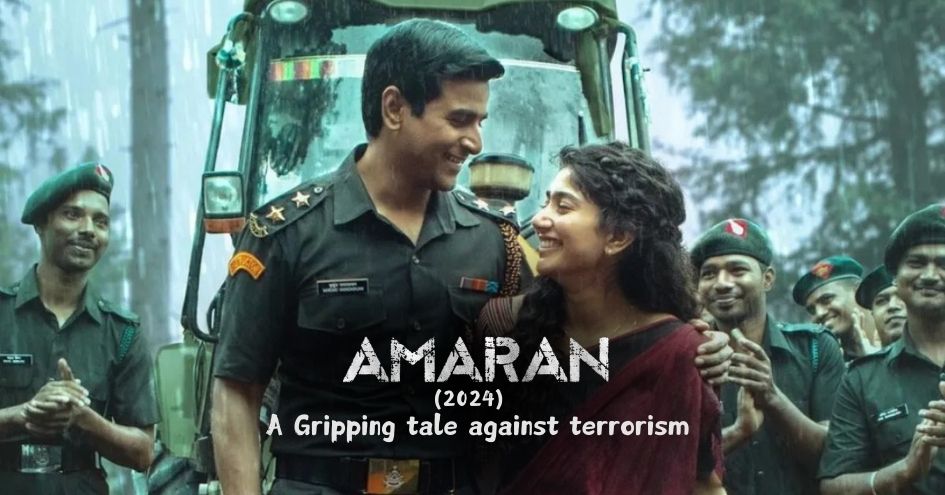
Creating war films is a challenging endeavor, and capturing the emotional struggles of soldiers and their families adds an even greater layer of com...
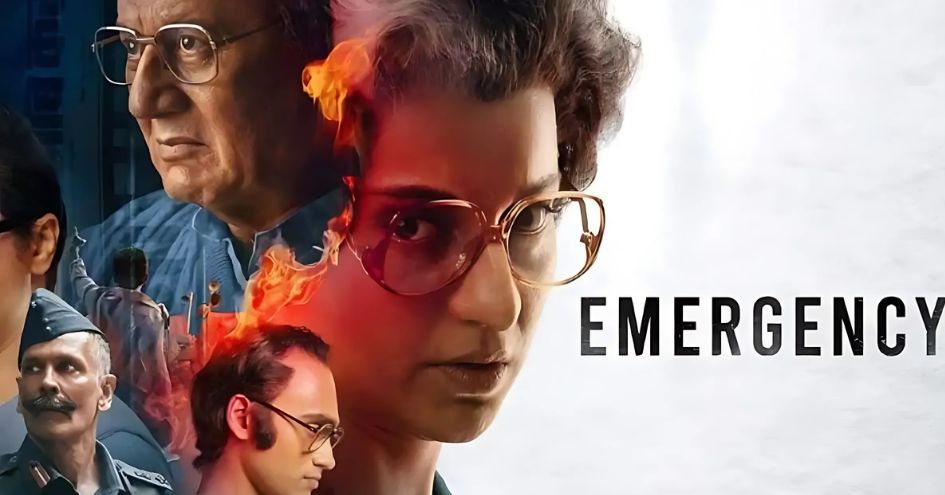
Emergency, directed by Kangana Ranaut, is a bold and gripping political drama that delves into one of Independent India’s darkest periods: the Emergen...

Verandah Club is an initiative by few like-minds of Coimbatore who are interested to share information on various antiquities of Bharat.
Free download our iOS & Android app
© Copyright 2026, All Rights Reserved.