
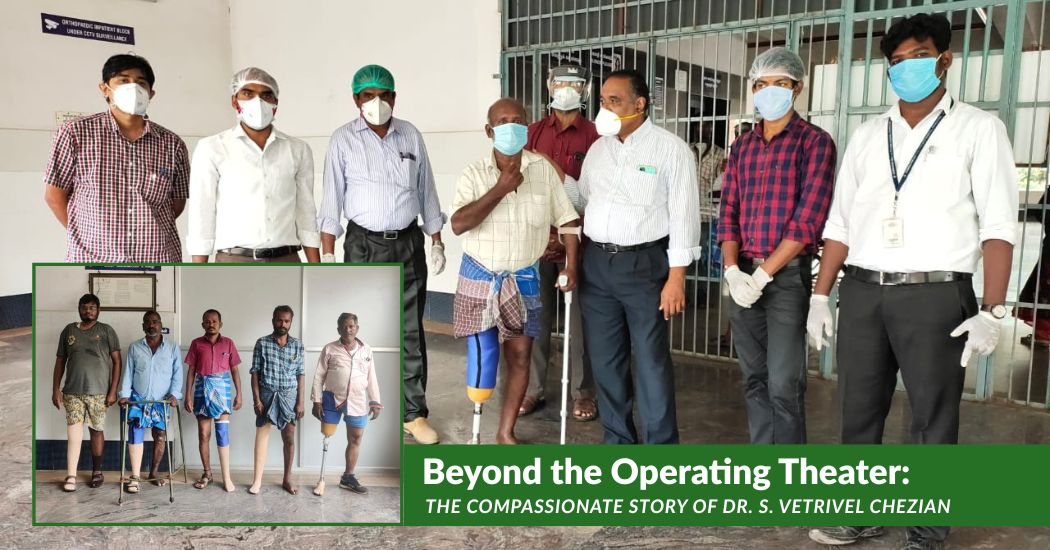
The sterile air of an operating theater is usually thick with tension, the sharp smell of chemical antiseptic mixing with the low, rhythmic hum of cardiac monitors. But for Dr. S. Vetrivel Chezian, this clinical world of cold steel and bright fluorescent lights was never just a workspace—it was simply where his life's work truly began.
"In the year 2000, I joined here after finishing my MS in Orthopedics," he reflects, his eyes tracing the familiar corridors of the Coimbatore Medical College Hospital (CMCH), a premier institution in India. Looking back on a journey that would span over three decades of relentless service, his mind drifts back to the very beginning. Fresh off a year at a smaller, quiet government hospital in Mettupalayam, the young orthopedic surgeon walked headfirst into a sprawling, chaotic public hospital in Coimbatore that was still desperately finding its footing. In those days, the orthopedics department did not even possess the dignity of its own dedicated operating room.
Instead, delicate bone surgeries had to share cramped quarters with general abdominal procedures. It was a setup that filled Dr. Vetrivel Chezian with a constant, nagging worry about sterility. He knew the hidden dangers that lay beneath the surface. "We are putting metal inside the body, which is a foreign body," he explains, gesturing to illustrate the absolute precision required. While soft tissues are blessed with a rich, vibrant blood supply that easily rushes white blood cells to fight off invading bacteria, bones have less blood supply and are more prone to infection. A single speck of cross-infection from an abdominal procedure meant an implant could fail, altering a patient's life forever.
When he quietly but firmly went to the management, asking for a separate, sterile space to safeguard the vulnerable people under his blade, the support was minimum. He was met with defensive shrugs, “It had always been done this way. Why change it now?” content to let the old wheels grind on. But for Dr. Vetrivel Chezian, the path forward was never about convenience; it was a matter of deep, unshakeable principle. He chose to look past the institutional apathy, anchoring himself to a standard of excellence that would define his entire legacy. "Our attitude was clear: if we are going to do something for a patient, we must do it correctly."
A Knack for Seeing What Others Missed
This uncompromising eye for detail soon found a new testing ground. By 2005, Dr. Vetrivel Chezian’s brilliance was recognized with a promotion to Chief, a role that moved him to the nearby town of Tiruppur. A massive, roaring textile hub, Tiruppur was a city built on the sweat of laborers who spent long hours surrounded by heavy machinery and clouds of fabric fiber. Soon, a steady, worrisome stream of these working-class citizens began arriving at the hospital doors, carrying severe, painful swelling in their joints—their knees, ankles, and shoulders ballooning without an obvious cause.
At the time, the local medical system was entirely focused on treating traditional lung issues, assuming the fine cotton dust in the air only attacked the respiratory tract. But Dr. Vetrivel Chezian looked closer at the joint fluids and the x-rays, noticing subtle, insidious patterns of bone tuberculosis that had gone completely under the radar of everyone else. He refused to let these laborers suffer in silence. Within a single year, he painstakingly documented dozens of unique cases, compiling raw data and taking his findings all the way to major national conferences in cities like Bombay. By teaching other doctors how to spot these hidden symptoms early, he quietly saved hundreds of breadwinners from permanent disability.
For him, treating a patient was never a cold exercise in following a textbook or checking boxes on a medical chart; it was always about understanding the real, breathing human being sitting in the clinic chair. He vividly recalls a distressed patient who came to him with a shattered heel bone (calcaneum), a complex fracture made infinitely worse by a ragged, weeping open wound. Standard medical wisdom dictated a heavy plaster cast, but wrapping an open wound in plaster would invite severe, bone-deep infection. On the other hand, cutting open the skin to insert internal screws carried the exact same terrifying risk.
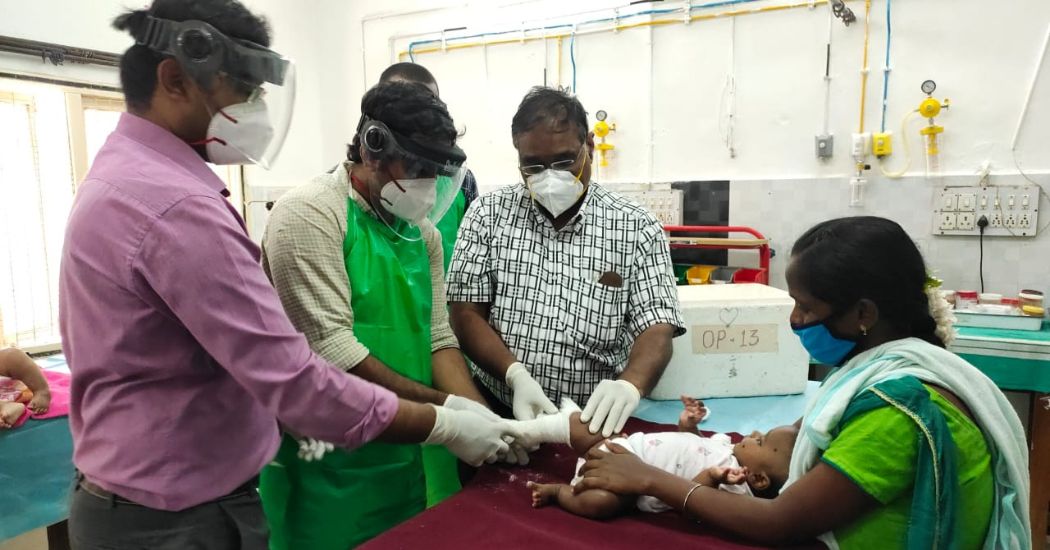
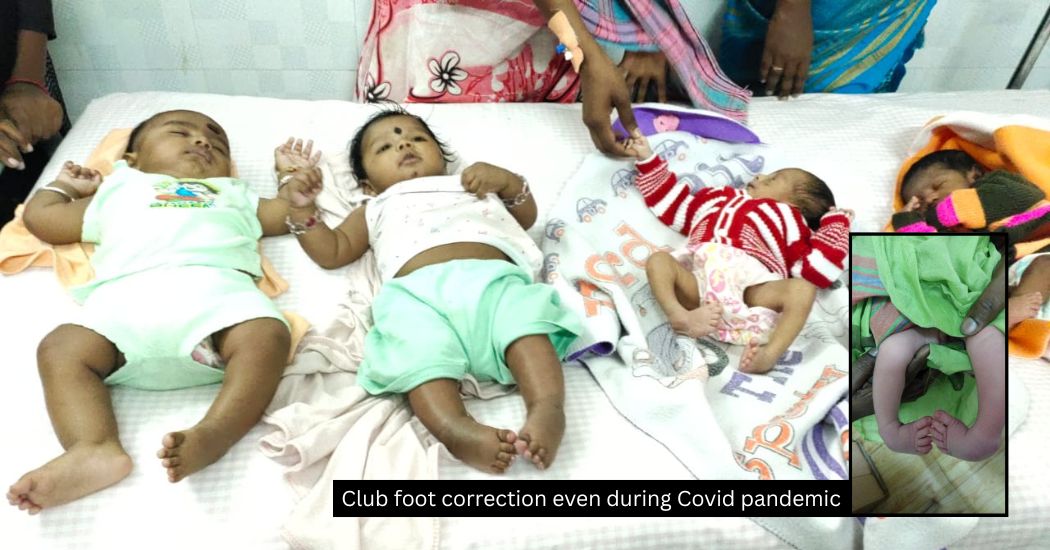
Instead of throwing his hands up in defeat, Dr. Vetrivel Chezian spent an afternoon rummaging through the hospital's inventory storage, searching for an alternative. His eyes finally fell upon a specialized external wire frame—a Joshi’s External Stabilization System (JESS) fixator—normally reserved by orthopaedic surgeons to correct congenital clubfoot deformities in infants. In a flash of brilliant, intuitive adaptation, he decided to scale the concept up and apply it to the adult fracture, anchoring the bone from the outside using minimal wires.
"If a heel bone is fractured, standard protocol dictates that the patient cannot walk for three months," he explains. But by thinking on his feet and trusting his understanding of skeletal stress, he rewrote the rules. "We were able to make the patient walk on the very second day." He saw that keeping a working man bedridden for months bred a terrible psychological despair, making them feel permanently broken. Early movement changed everything. He even used this precise technique to treat the hospital Dean’s driver, making him drive an ambulance, happily filming a video of the man back behind the steering wheel with the metal frame still attached to his foot—vividly proving that the ultimate goal of medicine is to restore a person's livelihood and dignity.
Facing the Headwinds of Bureaucracy
Yet, true progress rarely moves in a smooth, straight line, and the quiet, paper-strewn hallways of medical bureaucracy eventually brought their own fierce headwinds. In 2008, a sudden, sweeping change in government regulations decreed that only doctors officially working on the active teaching side of medical colleges would be eligible for senior promotions. At that particular time, the ESI hospital where Dr. Vetrivel Chezian was stationed was classified as a non-teaching institution, effectively cutting off his path upward.
Rather than allowing his career to be bottlenecked by a rigid system, Dr. Vetrivel Chezian went on the offensive. He drafted detailed proposals to handle the exploding patient loads, advocating for the creation of new faculty posts across multiple departments so that care could expand without disrupting existing staff. But his proactive nature made the old guard uncomfortable.
"In 2008, I filed a lawsuit," he says, his voice remarkably calm, devoid of any lingering bitterness. It was an incredibly brave move for a public sector doctor, but it wasn't born out of anger or personal ego. It was driven by a pure, simple desire to be placed where his hands could do the greatest amount of good for the greatest number of people. He stood his ground in the courts, successfully won the legal battle to freeze a vacancy at the college, and by 2010, he finally walked back through the gates of Coimbatore Medical College as a triumphant, recognized leader.
Building a Sanctuary of Care
The victory, however, brought him face-to-face with an institution stretched to its absolute limit. The entire, massive hospital had to share a single C-arm machine—an advanced, live-feed X-ray imaging device that allows orthopedic surgeons to see bones in real-time on a monitor during an operation. With trauma cases pouring in day and night from the highways, the single machine caused agonizing, dangerous delays. Patients lay on gurneys for days, their surgeries postponed simply because the equipment was tied up in another room.
Recognizing his immense talent, his former medical school mentor, who had risen to become the Vice-Chancellor of the MGR Medical University, called Dr. Vetrivel Chezian in for a private meeting, generously offering to grant him any personal favor or comfortable posting he wanted. Without a second thought, Dr. Vetrivel Chezian brushed aside thoughts of personal comfort. He asked for only one thing: the infrastructure to build a dedicated, fully-equipped orthopedic operating suite. "Running our surgeries alongside general surgery is simply unsustainable," he insisted.
Coimbatore was a rapidly expanding industrial city, and every single day, his beds were occupied by poor construction laborers who had fallen from unstable scaffolding, or rural farmers from Pollachi who had plummeted from tall coconut trees while harvesting. He meticulously tracked their recoveries, publishing high-quality papers in global indexed journals. His quiet, fierce dedication to mastering these complex trauma cases eventually earned him a prestigious Gold Medal from the Indian Foot and Ankle Society, evaluated by a panel of international judges from the United Kingdom.
Armed with that international validation, he systematically transformed the department over the next decade. He systematically upgraded the hospital's capabilities, securing five state-of-the-art C-arm imaging machines so that every single operating table finally had its own dedicated equipment, completely eliminating the traumatic wait times for emergency surgeries.
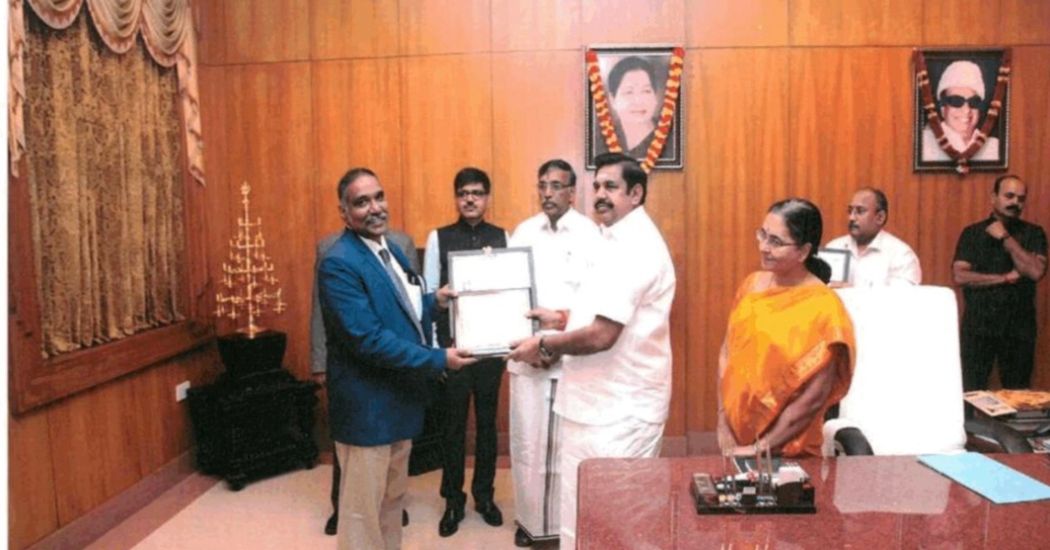
The turning point for the department came during a severe state-wide dengue outbreak when the Health Minister, Dr. C. Vijayabaskar, arrived for an emergency inspection. Seizing a rare moment amidst the political tension, Dr. Vetrivel Chezian bypassed the anxious administrators and told the minister, "Sir, I have transformed our orthopedics department into a state-of-the-art facility here." Intrigued, the minister pushed past the local dean's objections to see it for himself, walking the ward and even conversing in Hindi with an injured North Indian laborer. Witnessing the immaculate care and advanced infrastructure firsthand, the minister turned to Dr. Vetrivel Chezian, shook his hand, and promised to officially elevate the department into a full-fledged Institute of Orthopedic Surgery and Traumatology—a grand promise he honorably fulfilled, cementing a monumental milestone in the hospital's history.
His commitment to education was just as practical. When the National Medical Commission suddenly overhauled the entire medical curriculum in 2020, students across the country were left stranded without proper textbooks. Seeing their anxiety, Dr. Vetrivel Chezian sat down at his desk and wrote the comprehensive textbooks himself, mapping them precisely to the new official curriculum codes. When the COVID-19 pandemic struck and major publishing houses backed out due to financial fear, he refused to let his students suffer. He withdrew ₹20 lakhs from his own personal savings to fund a local printer in Ganapathy, ensuring that the critical educational books reached the hands of young medical students exactly when they needed them most.
The Beautiful Detail of Empathy
Though his clinical achievements were monumental, the true depths of Dr. Vetrivel Chezian's legacy were written in the small, beautifully thoughtful changes he made to the daily, exhausting reality of hospital life.
He had a habit of walking through the public wards late at night, and he noticed a heartbreaking sight: the elderly mothers, wives, and relatives who traveled miles to care for bedridden patients had no place to rest. They were forced to curl up on the freezing, damp concrete floors of the public wards, causing many to develop severe, agonizing joint aches of their own. To heal the caretakers along with the patients, he went out into the local community, rallying generous corporate and private donors to build and install 150 custom-designed attender cots. He didn't stop there; he set up televisions to distract them from their grief, piped soothing radio music into the wards, and installed advanced "Water Doctor" purifiers that provided continuous hot water on-site, saving poor families from having to brave chaotic city traffic just to buy warm water from local tea stalls.
He possessed a rare, profound understanding of the brutal economic realities facing the working poor of the nation. In a working-class household, survival is a daily tightrope walk. If a husband is hospitalized and his wife must sit by his bedside, the family instantly loses both of their daily wages. The kitchen fire goes cold, and the children at home go hungry.
To break this vicious cycle of poverty and pain, Dr. Vetrivel Chezian created an entirely unprecedented system. He worked within the boundaries of the Chief Minister’s Comprehensive Health Insurance Scheme, systematically recycling surplus government insurance funds to hire a dedicated team of full-time ward helpers. "Using those funds, we hired people to take full care of patients who had no family members to stay with them," he notes. Because of this compassionate intervention, hundreds of unaccompanied, destitute laborers received world-class surgeries and complete rehabilitation, while their families back in the villages were free to keep working and surviving.
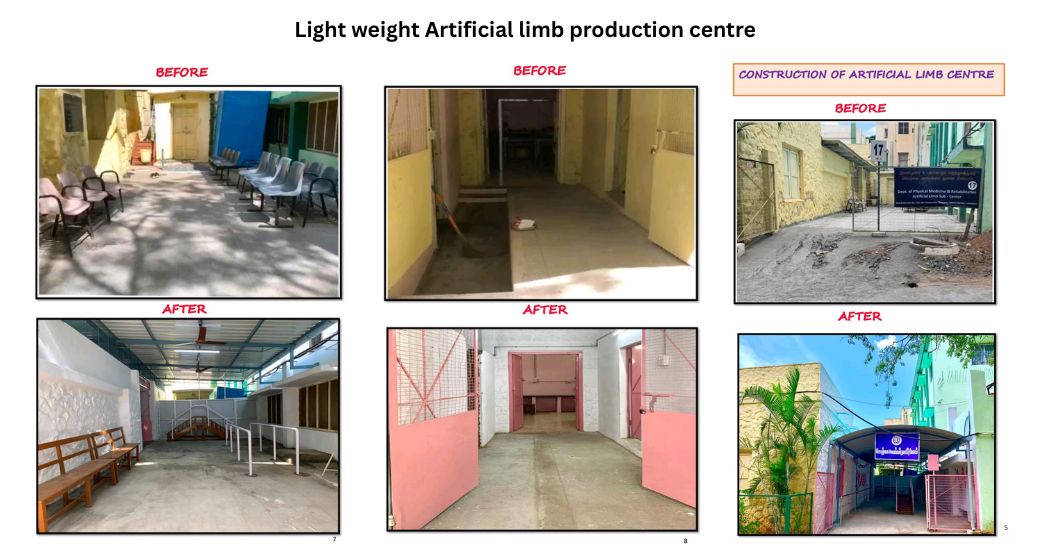
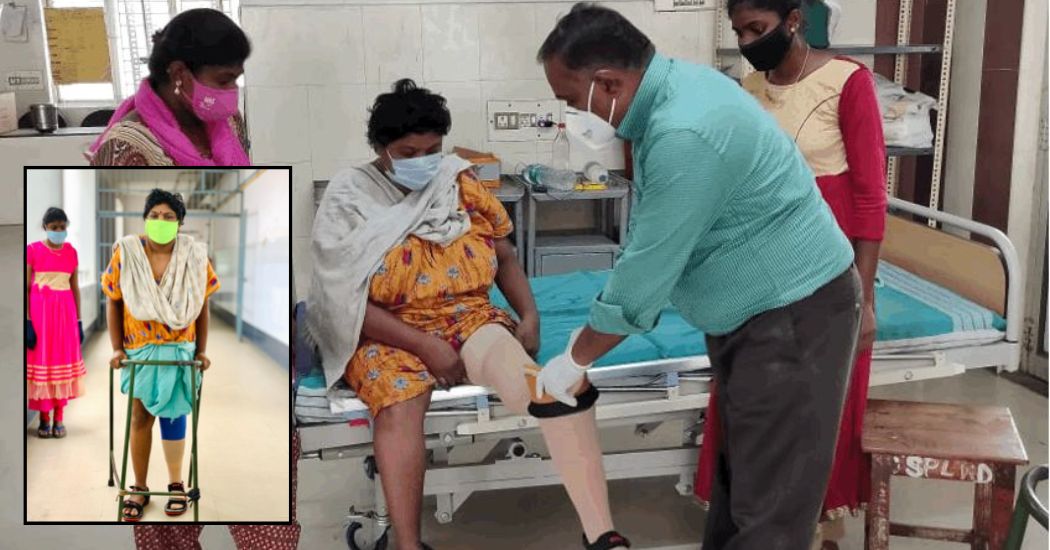
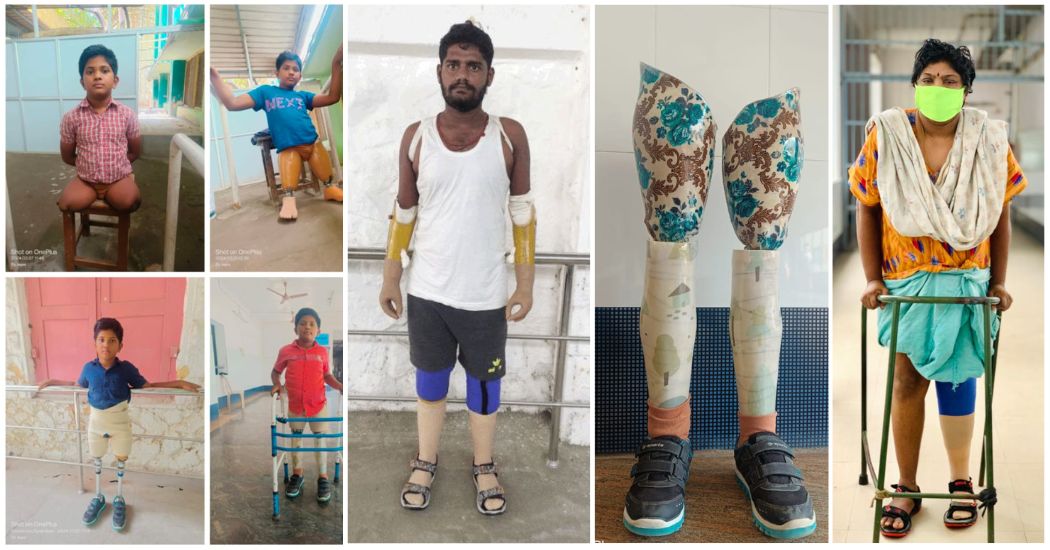
Later, as the pandemic isolated communities, he noticed how amputees struggled to travel all the way to distant capital cities just to get fitted for prosthetics. He quietly took over an old, abandoned, iron-roofed storage shed on the hospital grounds, cleaning it out to build a lightweight prosthetic production center from scratch. Moving away from the heavy, archaic, wooden artificial limbs of the past that were so exhausting to wear that patients often abandoned them to go beg on the streets, his center began assembling cutting-edge, high-grade, lightweight polyurethane prosthetics. Offered entirely free of cost by recycling insurance profits back into the public system, the center turned a massive 55 lakh profit for the government while transforming lives. Coimbatore rapidly became the very first district in the state to achieve a proud milestone: a zero-waiting-list status for artificial limbs, drawing in grateful patients from over twenty-three surrounding districts.
The Choice to Stay Rooted
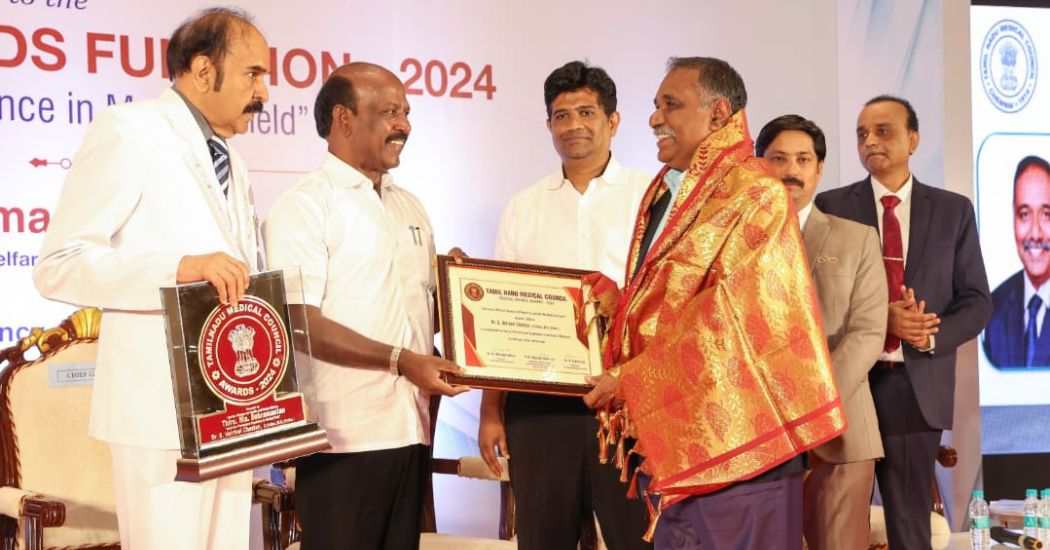
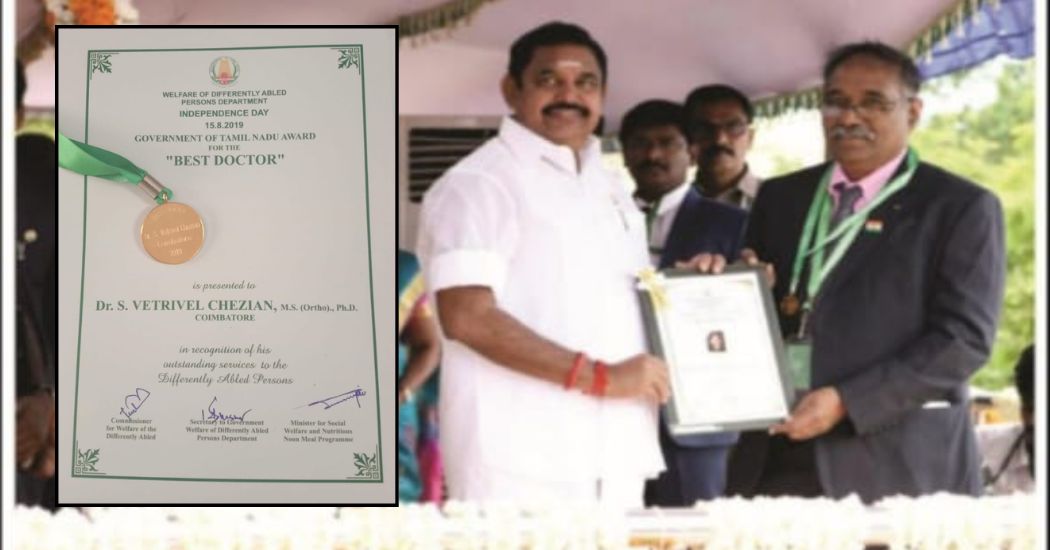
In 2019, the state government presented him with the Scientist Award, a crowning honor recognizing his decades of quiet, impactful medical research. Yet, despite the accolades, his heart never left the dusty floor of the public ward.
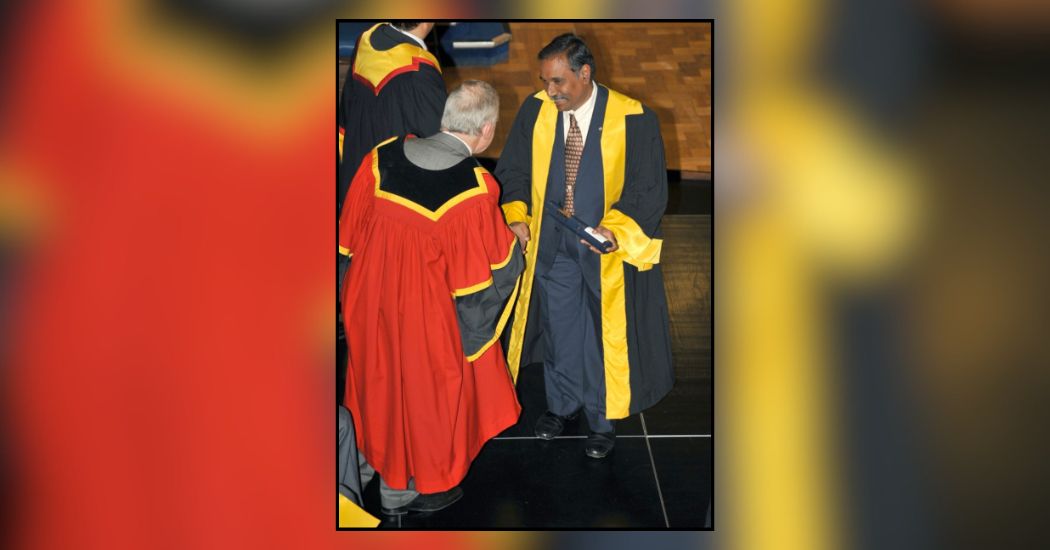
Years earlier, his remarkable work had caught global attention. While attending a prestigious ceremony in Glasgow, Scotland, where he was being awarded an honorary fellowship by the Royal College of Physicians and Surgeons, the President of the international college sat directly next to him during the formal dinner. Deeply moved by the practical wisdom and surgical mastery of this doctor from Coimbatore, the President made a stunning offer: a permanent, highly lucrative position as a senior consultant in the UK, complete with a beautiful estate, an astronomical salary, and elite British schooling for his young children.
Dr. S. Vetrivel Chezian listened intently, smiled softly, and politely shook his head. "No, sir. I love my country. What is missing in my holy land? There is still so much left for me to do right." The President, astonished by the refusal, leaned in and warned him, "Luck will knock on your door only once, Doctor." The healer from Coimbatore simply looked at him with an unshakeable sense of peace.
For Dr. Vetrivel Chezian, his entire life's journey was guided by a beautiful, timeless proverb: If you raise a neighbor's child with love, your own child will flourish naturally. For him, those words carried a profound, miraculous truth that hit incredibly close to home.
Looking Toward the Horizon
Now, as his formal retirement from the government hospital draws near, Dr. Vetrivel Chezian’s eyes do not look like those of a man planning a quiet, restful life of leisure. Instead, his mind is already ablaze with his next mission. He is actively aiming for senior leadership roles at the medical university, carrying a bold, transformative blueprint for educational reform.
He wants to introduce a mandatory system where every single one of the 500 private medical, nursing, and pharmacy colleges affiliated with the university must fully adopt and support at least one brilliant, underprivileged student or a child of a single mother every year, covering every expense under a compassionate Right to Education model. He is also determined to dismantle the rigid, traditional exam calendar, implementing a swift, modern system of immediate supplementary exams so that students who face sudden personal hardships or medical illnesses can retake their tests within weeks, rather than losing half a year of their youth to bureaucratic delay.
He spends a lot of time observing the newer generation of medical students walking the hospital halls, viewing them with a beautiful mix of fatherly affection and gentle, structural worry. He notes how the hyper-protective, overly cushioned modern world has left many of them academically brilliant but emotionally fragile. We have to change the educational system slightly to inject that true grit, confidence, and real-world strength back into them."
As the conversation draws to a comfortable close, a sharp phone rings on the desk, its bright screen flashing. A young colleague steps hurriedly into the room, whispering a brief update about a case that has just arrived. Without a trace of weariness, the veteran surgeon stands up, adjusting his coat, his hands moving with the practiced readiness of a man who has spent a lifetime answering the call of human suffering. He walks out the door and back toward the ward, embodying the simple, enduring, and magnificent spirit of a true healer of the soil—a country doctor who looked at the wide world, turned his back on its riches, and simply chose to stay home to take care of his own.
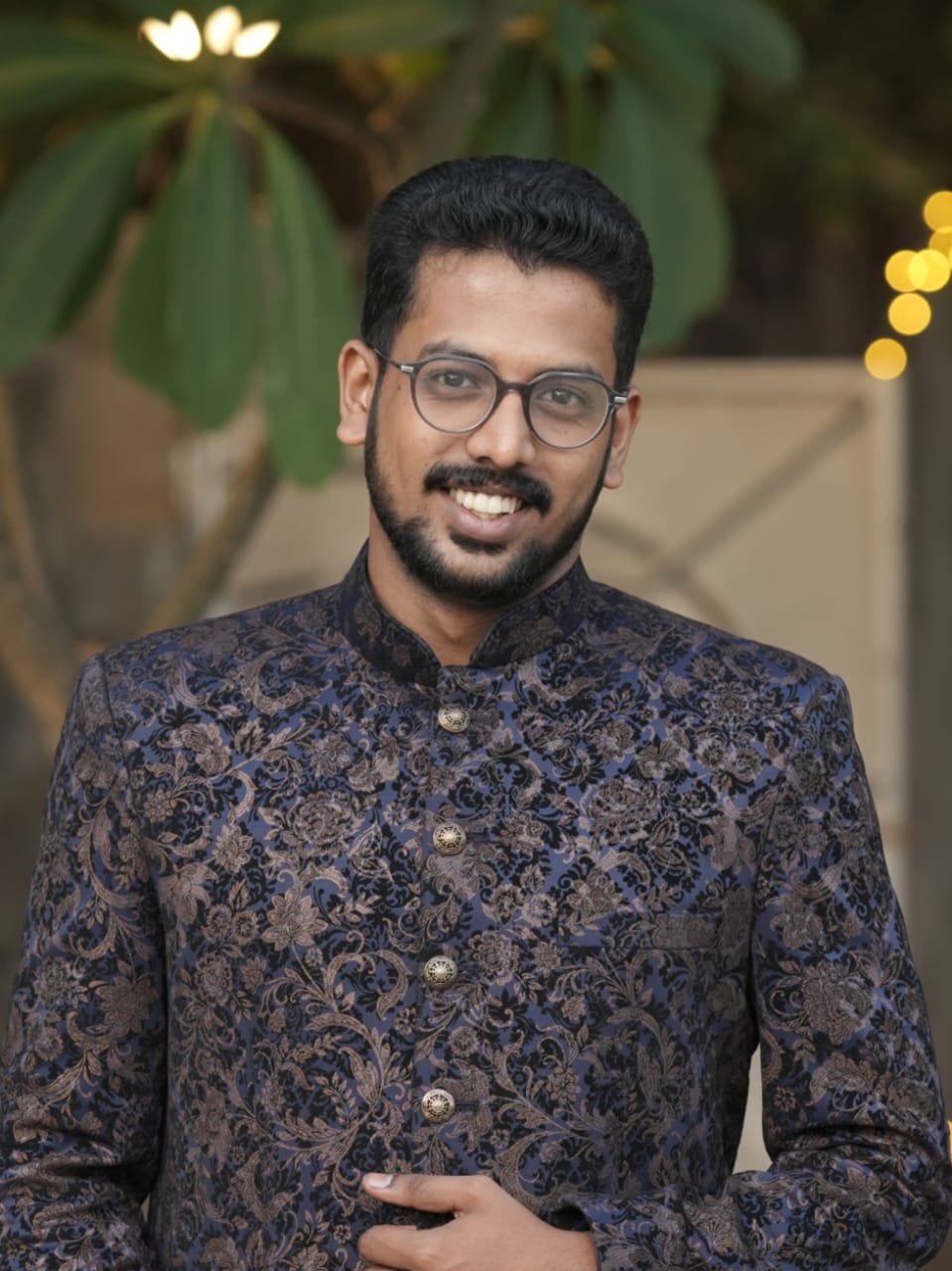 Vigneshvaran, Senior Correspondent of TheVerandahClub.com is a second generational acupuncture practitioner, a story teller, as well as an avid independent writer driven by his passion. His literary talents extend to crafting beautiful poems and captivating short stories including the Sehwag Tales series. In addition to these creative pursuits, he has also authored a book titled "Halahala," which can be found on Wattpad.

"A staggering one in five children in India is pre-diabetic," revealed Mrs. Swathy Rohit, the visionary founder of Coimbatore-based digital health p...

Where a rhythmic cadence of music blends seamlessly with the structured world of auditing, we found Mukund Swaminathan, a 26-year-old maestro who has...
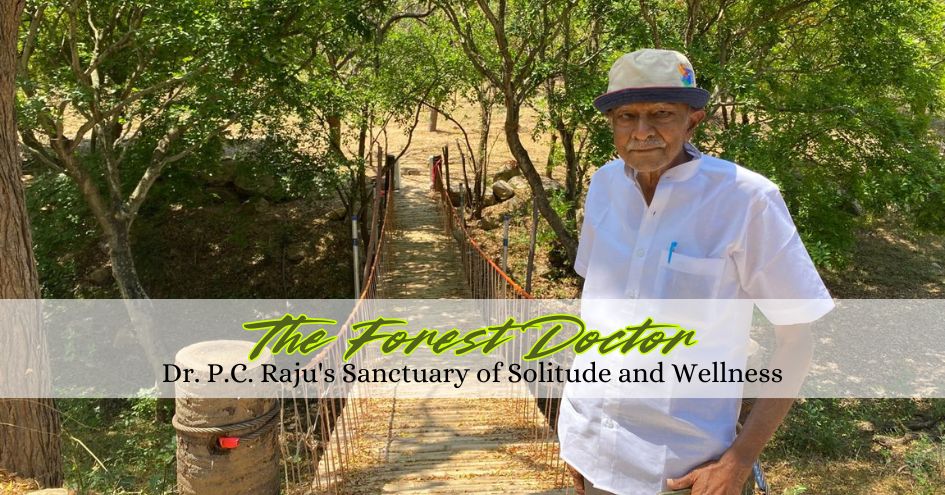
"Life doesn't offer retirement, only professions do. While I've stepped away from my practice, I haven't retired from living. No one truly retires whi...

Verandah Club is an initiative by few like-minds of Coimbatore who are interested to share information on various antiquities of Bharat.
Free download our iOS & Android app
© Copyright 2026, All Rights Reserved.