
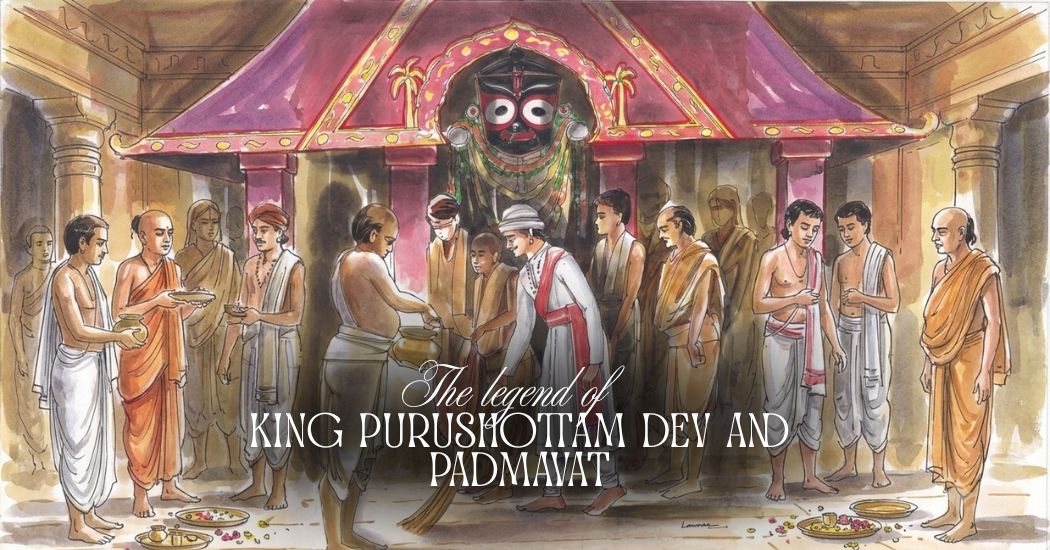
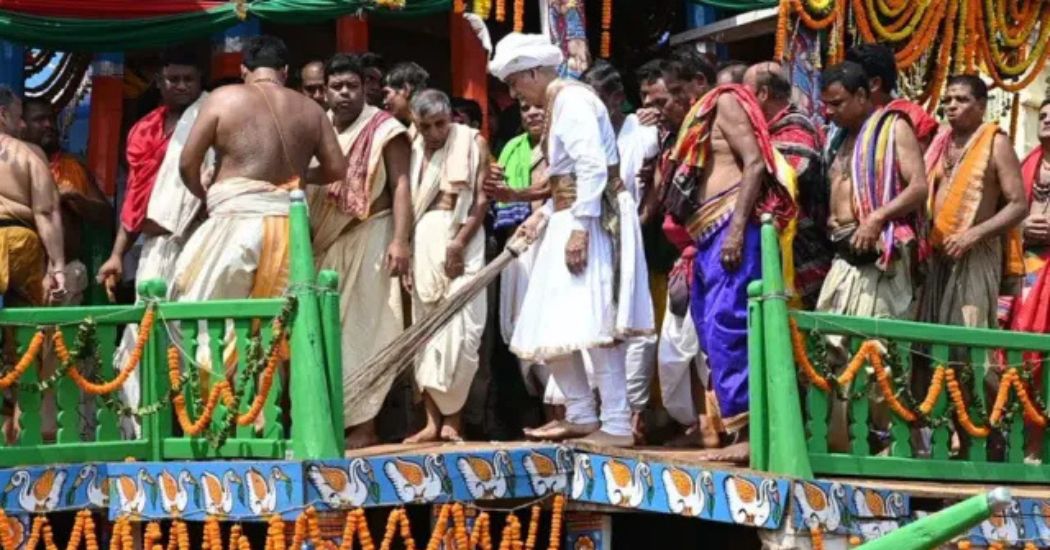
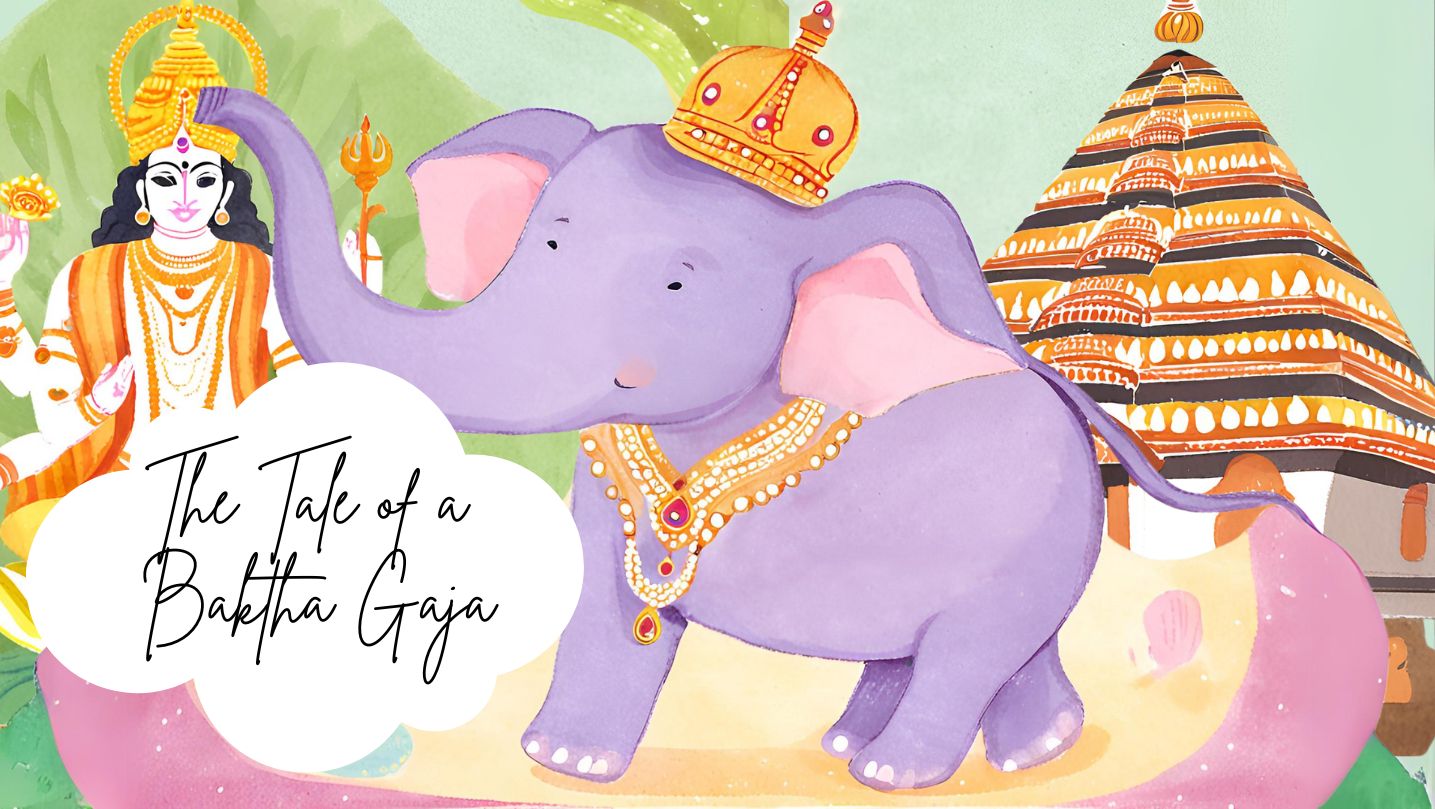
In the magnificent Rath Yatra of Bhagawan Jagannath Ji, there is a ritual ‘Chera Pahera’ which is conducted even today . In this ritual, the King (in present-day, the descendants of the erstwhile king) sweeps the three chariots of the deities Balabhadra (Balarama) Jagannath (Krishna) and Subhadra (younger sister of Balarama and Krishna). He wields a golden broom and sprinkling sandal water, he sweeps the chariots. This is a deeply symbolic ritual denoting that all human beings are equal in the eyes of Bhagawan irrespective of their status or wealth. It also indicates that Bhagawan is the Supreme Master and all of us are His attendants.
In this context, here is an interesting legend found in the novel called Kanchi Avijana (Conquest of Kanchi) / Kanch-Kaveri Nataka based on this particular ritual.
In the 15h century CE, King Purushottam Dev of the Gajapati dynasty, ruled over present-day Odisha. A brave and handsome king that he is, he comes on an expedition to Southern Bharat. There at Kanchipuram (Kanchi), which was ruled by Saluva Narasimha, Purushottam falls in love with Narasimha’s daughter Princess Ratnambika aka Padmavati. The princess reciprocates his feelings and Narasimha is also very happy at the prospect of getting King Purushottam as his son-in-law.
However, in the lead up to the wedding, Narasimha sends his minister to Puri to have an overview of Purushottam’s kingdom and to also acquaint himself with Purushottam’s royal family. The minister arrives during the Rath Yatra time. He is accorded a grand welcome and given royal treatment as Purushottam’s guest.
The minister is awed by the scale of the Rath Yatra celebrations and enjoys participating in all the cultural activities before the actual Rath Yatra day. On the day of the Rath Yatra, the minister has a shock seeing King Purushottam with a broom in hand performing the ‘Chera Pahera’ ritual. To the minister who has no knowledge of the symbolism of the ritual, the act of King Purushottam sweeping in public view is nothing short of disgusting. He comes back immediately, without informing his host and tells Saluva Narasimha what he witnessed.
Narasimha too, in haste, decides that his daughter would not be the wife of a ‘sweeper’. He calls off the wedding without even consulting his daughter. Padmavati is heart-broken and so is King Purushottam. He impulsively comes with his army to Kanchi to attack Narasimha in revenge. Narasimha’s forces are well-prepared and Purushottam faces a crushing defeat and flees back to Puri.
Back at his palace, Purushottam goes to the sanctum of Jagannath Ji with a heavy heart and pours out his woes to Him. He, being an ardent devotee of Bhagawan Jagannath, is particularly pained that his act of submission to Bhagawan was looked down by King Saluva Narasimha. As he is deeply immersed in prayer, he hears a voice asking him to go again and attack Kanchi. Taking it as a go-ahead from Jagannath Ji, Purushottam prepares well and marches again to attack Kanchi.
In the meanwhile, an old lady selling buttermilk on the highway is approached by two young warriors, one riding a white horse and one, a black horse. The warriors tell the lady that they are on the way to Kanchi and buy buttermilk from her to drink. When asked for payment, they give a diamond ring to her. They tell her that King Purushottam would be coming along the next day with his army and that he would honour this ring and give payment for the buttermilk.
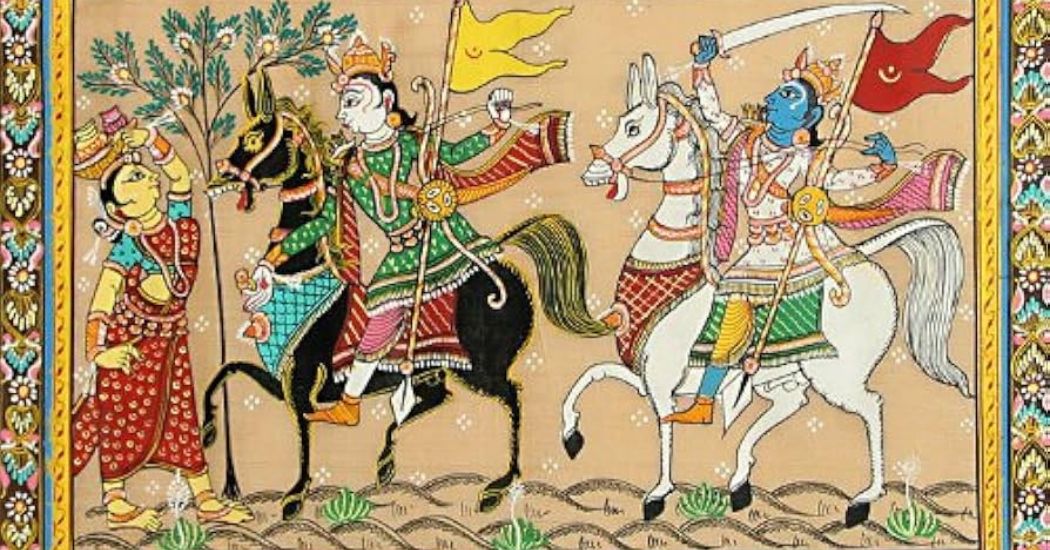
As told by the warriors, Purushottam passes by that road with his army the next day. The old woman accosts the king and narrates the incident showing him the ring. Purushottam recognises it immediately as Bhagawan Jagannath’s ring and is overwhelmed by the mercy of Jagannath Ji. He is now sure that he has the complete blessings of the deities. He gives the lady lots of gifts and proceeds with renewed vigour to Kanchi.
This time, the battle is in favour of King Purushottam. He binds Saluva Narasimha and Padmavati in chains and brings them to Puri as captives. He is so angry with Narasimha that he vows to get a ‘real sweeper’ and marry off Padmavati to him in front of Narasimha’s eyes. This would be the ‘punishment’ to Narasimha for mocking his act of submission to Bhagawan Jagannath.
Purushottam also tells his elderly minister to find an ‘eligible sweeper’ for Padmavati at the earliest. The minister realises that though Purushottam had given him this assignment, he is still deeply in love with Padmavati. The minister also comes to know that Padmavati still loves the king and that she is not at fault for the mindless act of her father and therefore should not be punished. The minister waits for the opportune moment praying to Jagannath Ji to show him a way out.
Months pass and it is again the time for the next Rath Yatra. By this time Saluva Narasimha gains more knowledge of the rituals and their symbolism. He feels sorry for having acted in haste. Padmavati’s hope drains out. She is now mentally prepared to give up her life the day she is married to a sweeper.
On the day of the Rath Yatra, the ‘Chera Pahera’ ritual starts and King Purushottam has just finished sweeping Bhagwan Balabhadra’s chariot, when the minister comes running to him. He tells the king that he has found an ‘eligible sweeper’ for Princess Padmavati and that he has to announce it that very moment to the public. King Purushottam is puzzled and somewhat annoyed at the minister’s choice of timing for the announcement. He is also irritated at the interruption to Rath Yatra proceedings.
However, the minister chooses to take a risk and makes the announcement. He tells the people that King Purushottam had given him the assignment of finding an ‘eligible sweeper’ for Princess Padmavati who had been kept as a prisoner with her father at their palace. He further announces that he had found an ‘eligible sweeper’ and that ‘sweeper’ was King Purushottam! At that moment the King was indeed a sweeper with a broom in hand and he was the ‘most eligible sweeper’ for the Princess.
The people are overjoyed at the announcement and greet it with great enthusiasm with shouts of ‘Long live King Purushottam!’ and ‘Long live Queen Padmavati’. King Purushottam is taken by surprise – a pleasant one though, and is of course extremely happy with the turn of events, and the thoughtfulness of his minister.
Princess Padmavati is equally delighted to hear the decision of the minister which was endorsed by the public. Saluva Narasimha is happy and relieved that the ordeal had a beautiful ending.
The wedding takes place with great pomp and gaiety and all ends well.
Jai Jagannath Ji!
 Vidhyaa K R is a storyteller based in Chennai. Trained by Kathalaya, Bengaluru, she specialises in stories from Indian culture and heritage. After a long stint in the corporate world, she now enjoys following her passion. She has a website www.storibuzz.in where she has narrated over 200 stories. She is also associated with Anaadi Foundation Palani in their IKS activities.

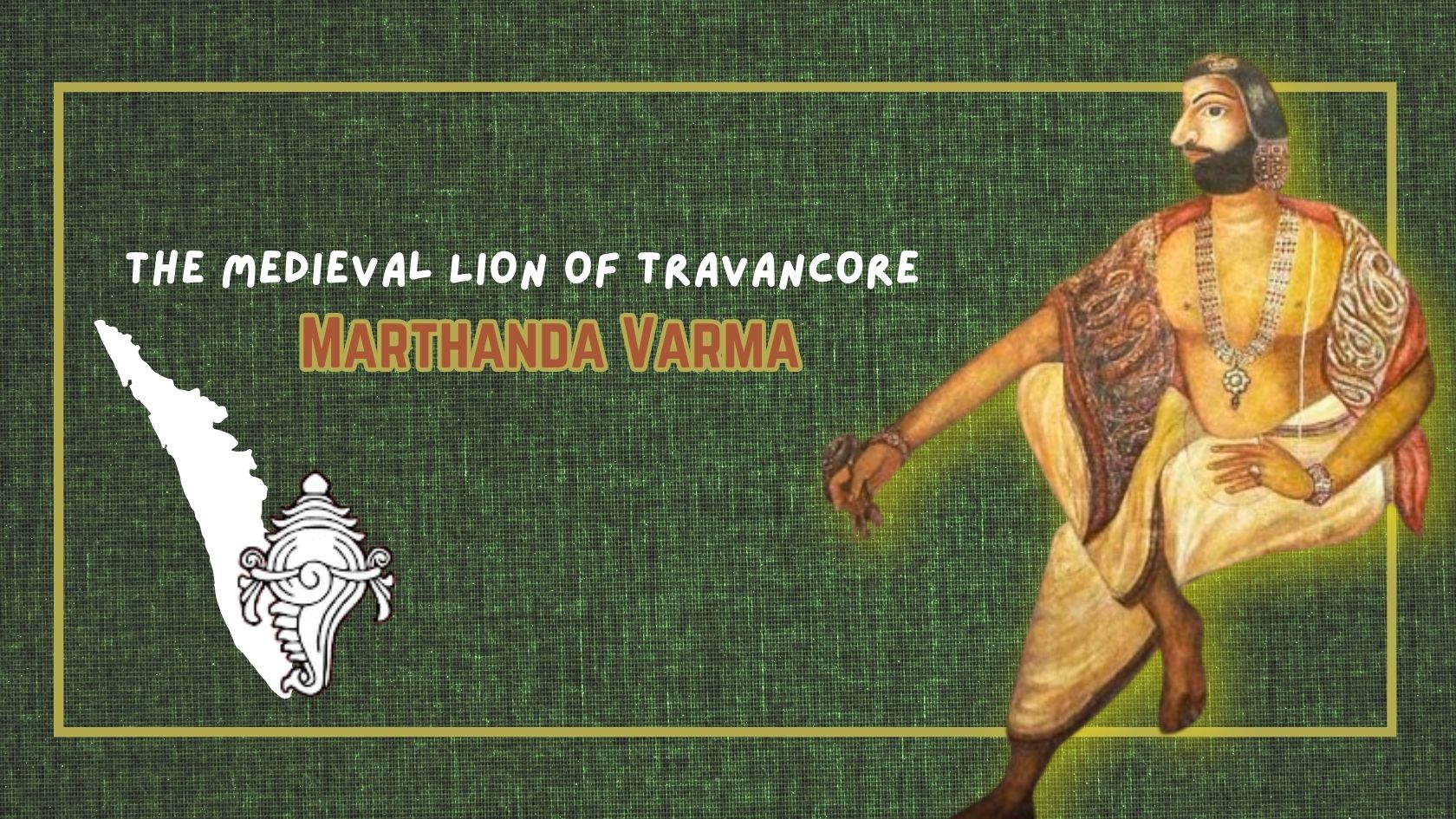
Shri Ramachandra Prasad's captivating narrative and the hot chai that was served at the right time transported me to ancient Kerala, where the extraor...
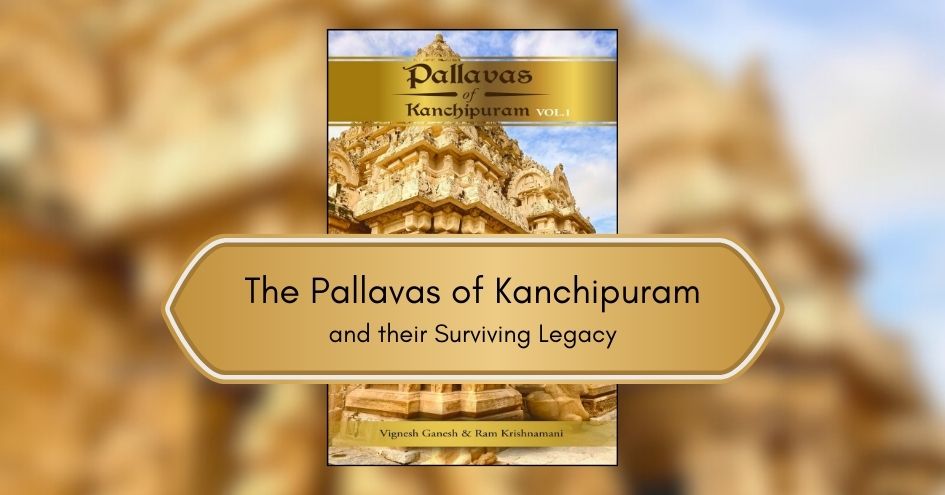
Introduction In Bharatvarsha, History is not the account narrated by victors. It is the record left behind by survivors. The study of Indian History...
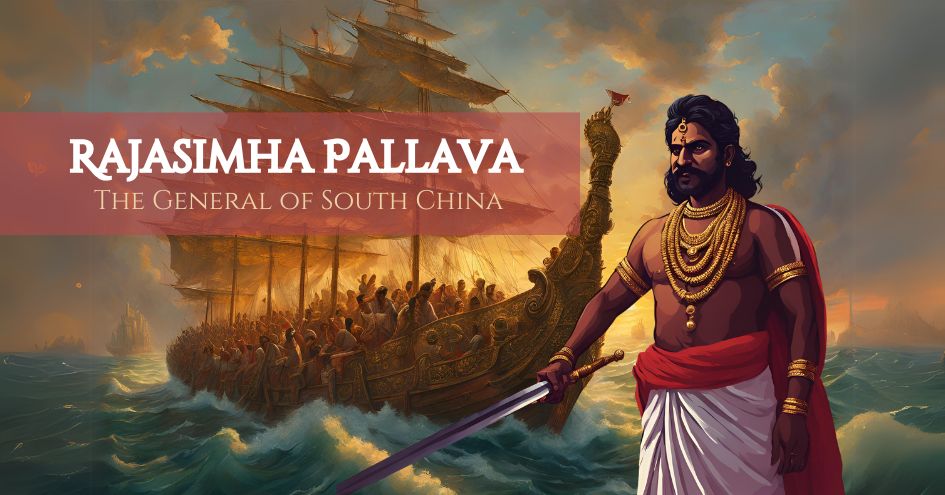
It is the first-half of the 8th Century C.E. in South India. The Pallava kingdom possesses strength and prosperity with some of the greatest monument...

Verandah Club is an initiative by few like-minds of Coimbatore who are interested to share information on various antiquities of Bharat.
Free download our iOS & Android app
© Copyright 2026, All Rights Reserved.