
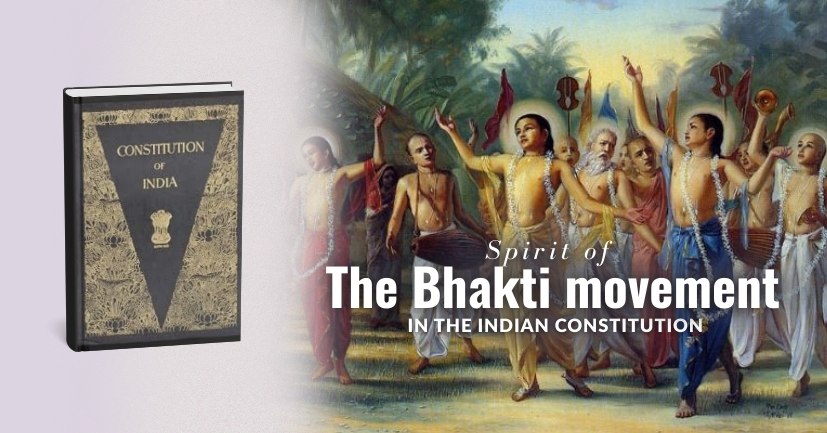
Another 26th of January is upon us, marking the monumental event when the Republic of India (or Bharat) became a full-fledged republic. It was the day India’s Constitution became fully operational, transitioning Bharat into a sovereign, democratic republic, with Dr. Rajendra Prasad taking office as its First President and First Citizen. While the Republic of India celebrates 76 years of being a democratic republic, the ideals that shaped its identity and civilizational ethos are far more ancient. The ideals enshrined in the Fundamental Rights, Fundamental Duties, and Directive Principles are woven intricately into the constitutional fabric, yet they predate the Constitution itself.
An intrinsic part of this constitutional fiber consists of the ideals espoused during the Tamizh Bhakti movement, which spread like a lush forest across Bharat between the 7th and 17th centuries C.E. The seed of this monumental movement—aimed at reviving the Hindu Dharma—was sown by the Tamizh Azhwar and Nayanmar saints. They propagated a message of social equality, individual dignity, and rejection of social hierarchies based on birth, with the saints extolling either Sri Vishnu or Mahadeva as the Supreme Godhead. The core message they spread was the Bhakti Marga, embodying peace, love, and brotherhood—principles that are clearly imbibed in our Constitution today.
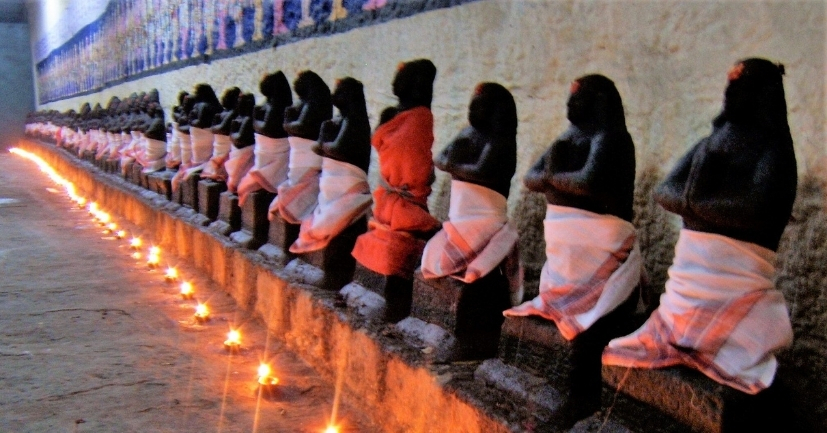
Today, nearly everyone knows how the Right to Equality is enshrined in Articles 14, 15, and 17 of the Constitution, which affirm that everyone is equal before Indian law, prohibit discrimination, and abolish untouchability—some of the most fundamental and important rights enjoyed by every citizen of Bharat. Yet, imagine these rights being propagated by the Bhakti saints in their devotional poetry. These saints themselves hailed from distinct backgrounds, such as Nandanar Nayanar, a leather worker, or Thiruappan Azhwar, a member of the Paanar musical community, who were considered untouchable in some quarters of society due to adverse practices that came into vogue in the early modern era. Their message, delivered in Tamizh, was universal: Everyone is equal in the eyes of God. They conveyed the hard truths of their social status, yet through profound devotion in verses that captured hearts and swayed minds, they added a deep dimension to the Sanatana Dharma and its application in daily life, much like the law of the land today. By advocating for universal inclusiveness—with female Azhwars and Nayanars like Andal Nachiyar and Karaikkal Ammaiyar respectively at the forefront—the Tamizh Bhakti movement captured the popular imagination, using the spoken word to carve a lasting place in people’s memories and temple customs.
By promoting the practice of individual bhakti (devotion) to one’s respective Ishtadevatas (chosen deity), the saints promoted individual dignity. This stood in contrast to rigid rituals that bound some members of the community while discriminating against others, thereby bringing everyone into the all-encompassing fold of Sanatana Dharma.
Then there is the Right to Free Speech under Article 19, a much-cherished fundamental freedom, primarily the Freedom of Speech and Expression. Imagine what it was like to speak out using these verses against age-old discrimination. Their aim was not to foster dissent, but to hold an impartial mirror up to Indian society, weeding out social evils and reminding people that the lens of devotion sees no entrenched social inequalities or hierarchies. Through their verses, they demonstrated to the common people that even an ordinary individual could make a difference, adding a unique stitch to the social fabric without needing to be royal or affluent. While numerous Azhwars and Nayanmars did receive royal and mercantile patronage, their greatest contribution to Tamizh society was through their devotional practices, which molded and welded a divided society by giving it a united identity. Furthermore, these verses were in Tamizh, unlike the courtly Sanskrit of that time, which allowed them to transfer their ideas to the lowest sections of society, thereby mobilizing even the marginalized in favor of Hindu revival.
Eventually, this movement spread through historic trade networks and cultural exchanges, influencing other regions in the west and east, with a prime example being the zones that fall in present-day Maharashtra. In fact, the ideas propagated by the Bhakti saints—such as Universal Humanism, linguistic identity, the concepts of Dharma and dharmic service, and social justice for everyone—were immortal. Great voices like C. Rajagopalchari, T.T. Krishnamachari, Dr. S. Radhakrishnan, Dr. Bhimrao Ambedkar, and several other stalwarts later championed these ideas, which helped them shape the spirit of our Indian Constitution, the one we often take for granted today.
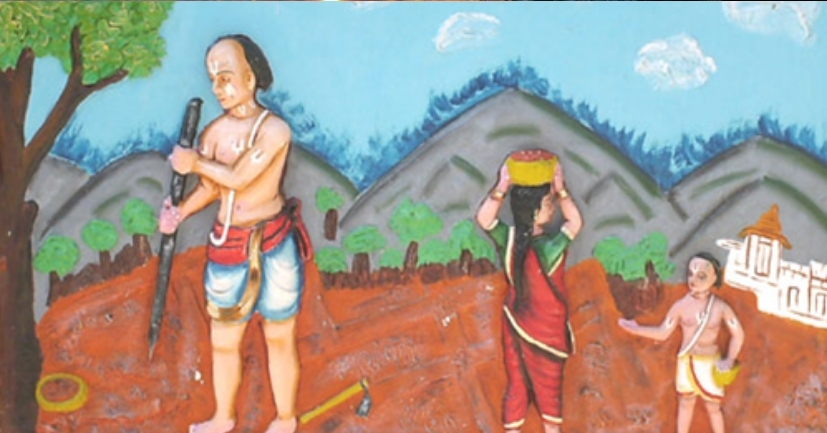
The concept of Kainkaryam, or selfless service to humanity as a divine service to the Almighty, is an idea enshrined in our Directive Principles and Fundamental Duties. The Directive Principles lay out guidelines for the Government's purpose—to create a just, social, and economic democracy for its citizens—while the Fundamental Duties stipulate that every citizen is duty-bound to be of service to their country, Bharat, by serving their fellow citizens.
Today, we remember the Bhakti movement primarily as a vehicle for the revival of the Hindu faith, but this way of life also has another name: Sanatana Dharma. With the name Dharma in its title, there is no doubt that the Tamizh Bhakti movement acted as a historical precursor to the Indian Constitution. It provided an indigenous vocabulary for Liberty, Equality, and Fraternity, ensuring that these were not seen as foreign concepts separate from our constitutional framework and spirit, but as a return to the egalitarian traditions entrenched in the customs of the Indian sub-continent.
 Vignesh Ganesh is a lawyer and writer. He is interested in ancient history and Itihasa and this interest culminated in his first book, "The Pallavas of Kanchipuram: Volume 1", which he co-authored with Mr. K. Ram, a fellow enthusiast of Indian history and culture.
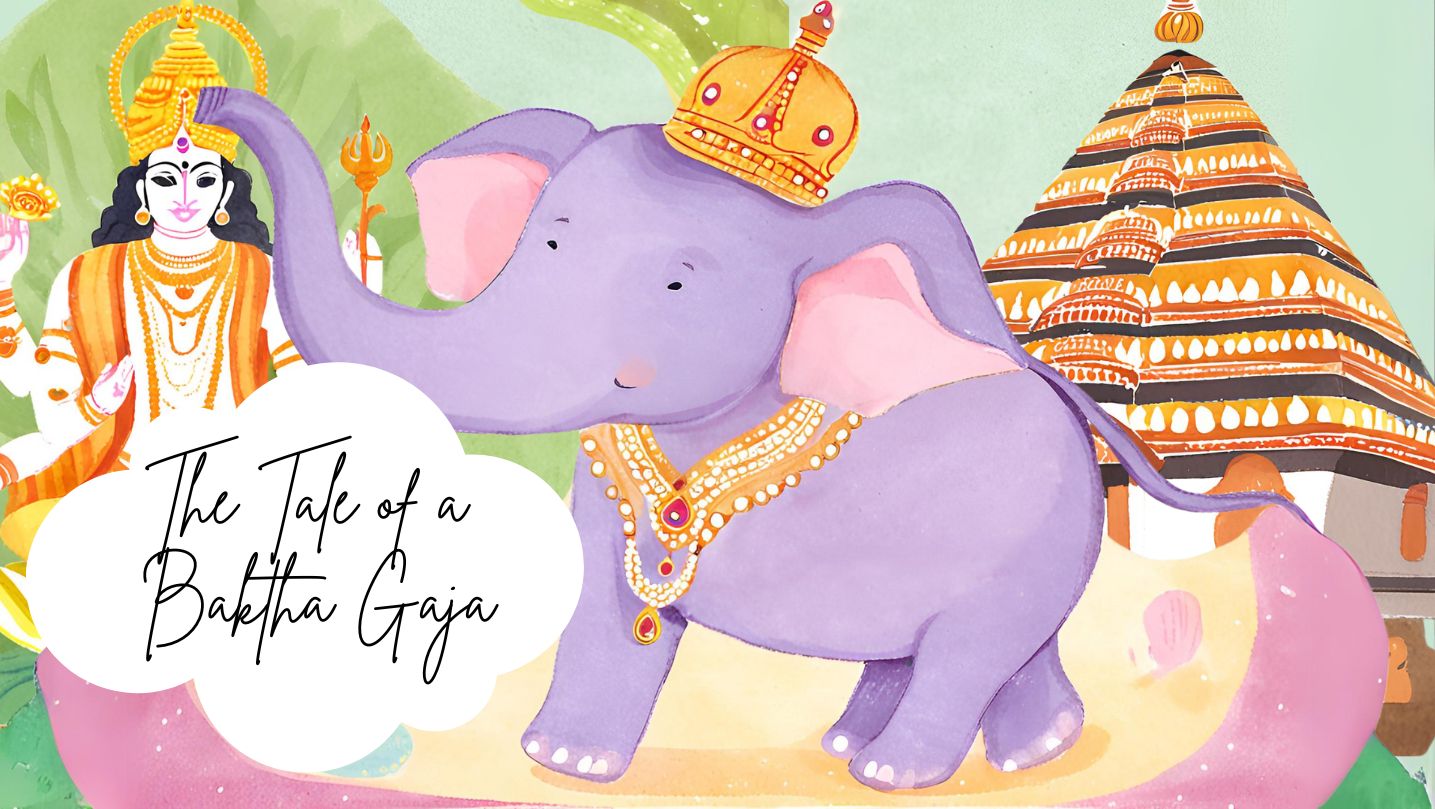

In the lush, green heart of Kerala lived an elephant who became a living legend - a tale of an elephant turned into a bakth. His name was Keshavan, bu...

Bharat has exploded onto the world scene and made global news with its hard-hitting “Operation Sindoor” that struck at the heart of terrorism and laun...
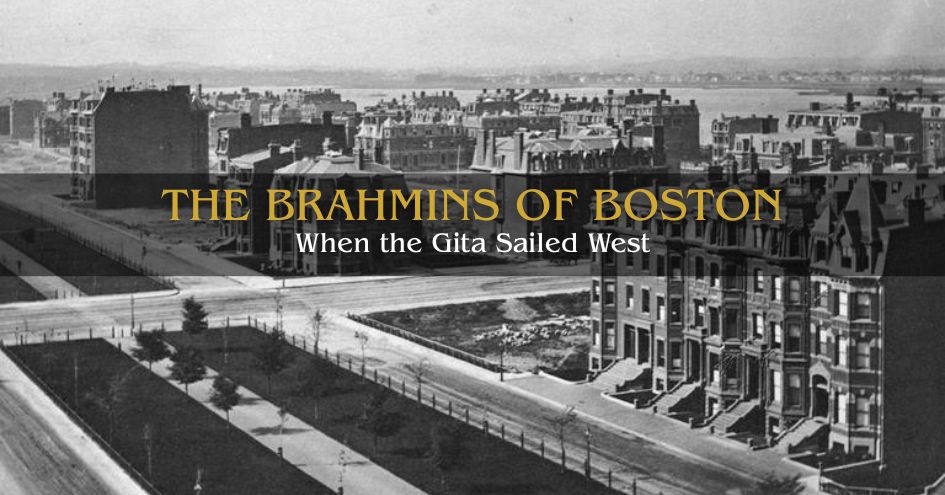
In the bustling age of global trade, Boston—a thriving port city on America’s eastern coast—stood tall as a beacon of commerce. In the early 18th cent...

Verandah Club is an initiative by few like-minds of Coimbatore who are interested to share information on various antiquities of Bharat.
Free download our iOS & Android app
© Copyright 2026, All Rights Reserved.