The Concept of the Anubhava Mandapa
Hey Readers! Happy Sunday!
It is a day where we ease ourselves into a day of simply relaxing, possibly even contemplating doing nothing and letting go of things for today! Of course, we always end up doing something for our society and minds are conditioned to equate doing nothing or being nothing to wasteful idleness. In a way it is the highest feat to achieve doing nothing and simply be at peace with our-selves. For we do not take even a moment out of our lives to meditatively pause and experience what Prakriti has to give us from her endless and eternal bounty.
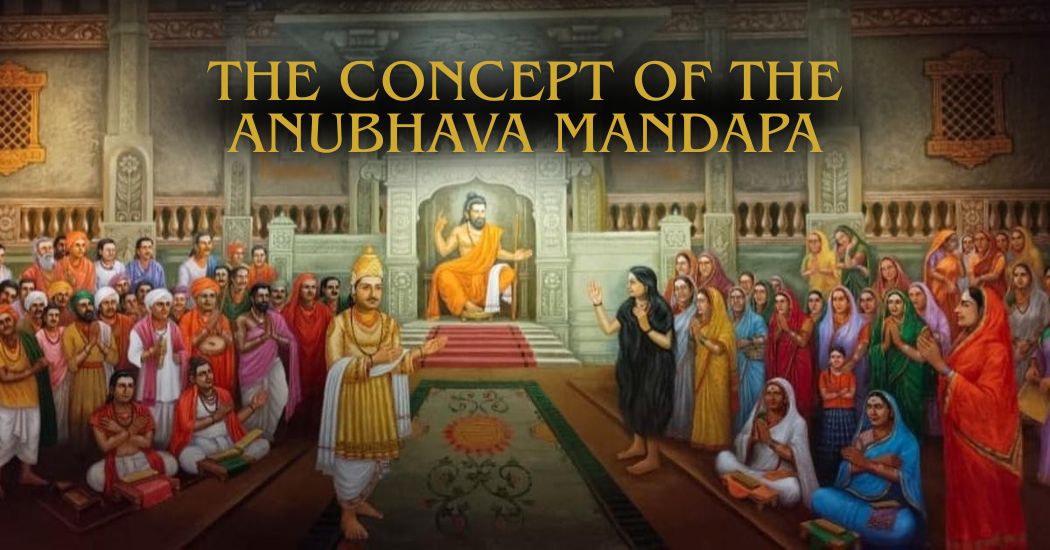
So, how about we take a trip to Kalyana (in modern Karnataka) in the 12th Century C.E., where a vocal movement of minds and bodies from all classes of society arrived at what was possibly the first spiritual parliament in the world. This spiritual parliament ushered in a fundamental point in our history and birthed a concept called the “Anubhava Mandapa.” When Prime Minister Shri Narendra Modi inaugurated the new Parliament, he hailed the Anubhava Mandapa as the ‘foundation of parliamentary democracy’ in India.
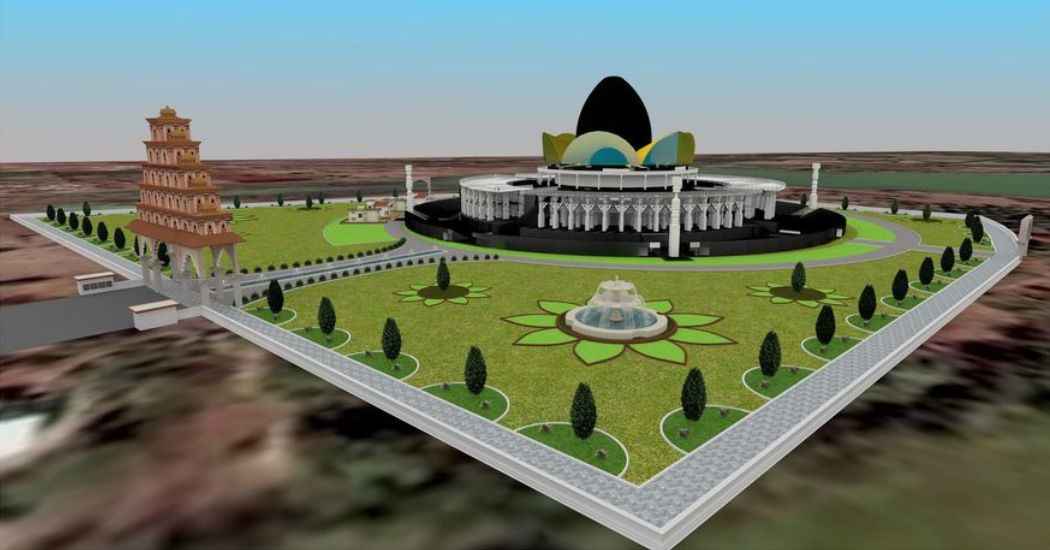
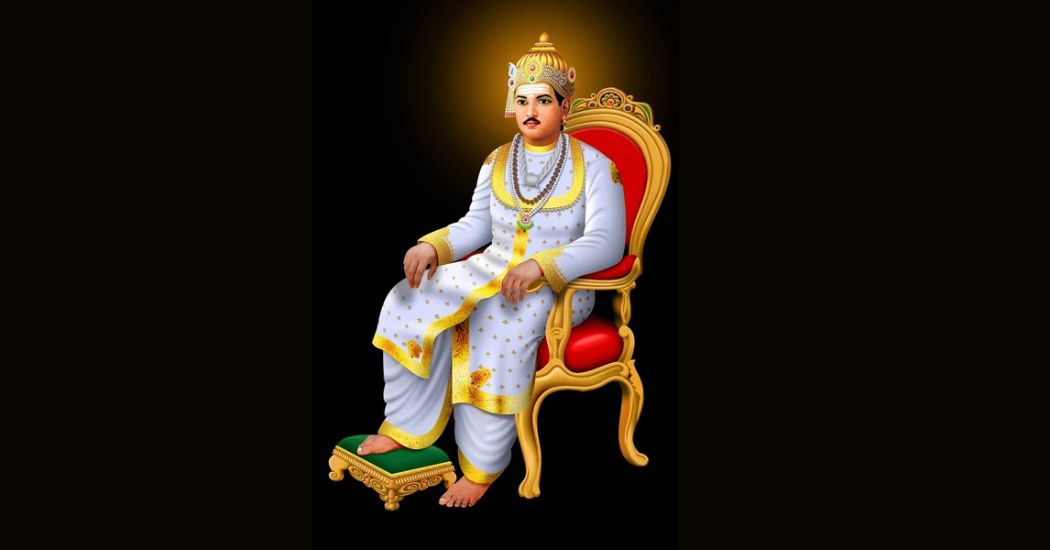
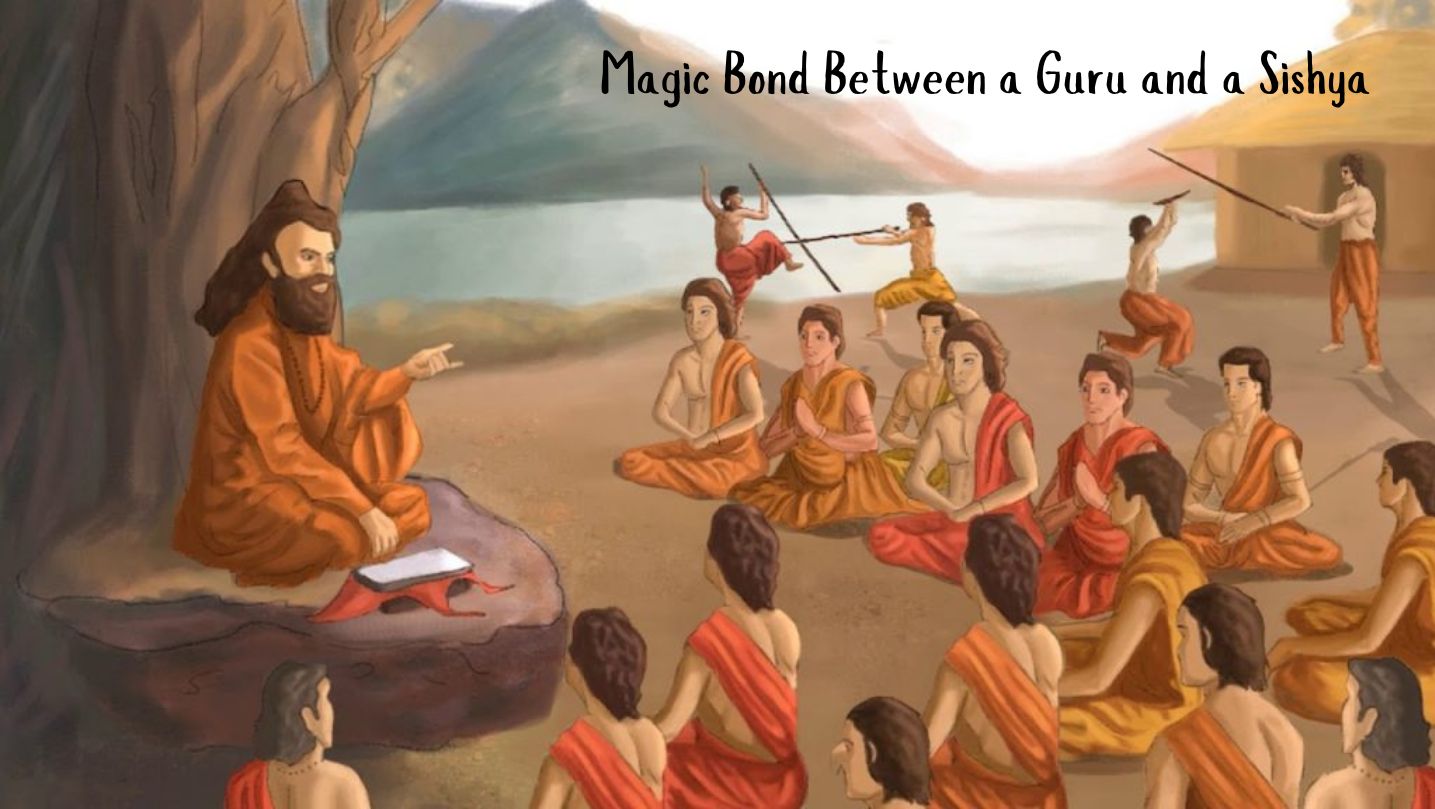
So let us try to understand and experience a bit of this concept. Loosely translated as ‘the Pavilion of Experience,’ the Anubhava Mandapa was founded by the eminent Lingayat philosopher and social reformer, Basavanna to bring about new reforms and achieve something simple yet profound as will be explained later. This Mandapa hosted gatherings of individuals or Sharanas from all classes of society under one roof to discuss and mull over even the most mundane of life’s questions, mostly during their free time. So instead of actively pursuing and coveting, members of society along with mystics, scholars and philosophers met and deliberated over life and what it had to offer. This mulling led them to discover new paths to realise some deeper yet higher meanings of life
Presiding over the gathering of these people was the celebrated Allama Prabhu, a Vachanakara and Lingayat mystic who substantially enriched Kannada literature and Indian philosophy. With Basavanna and Akka Mahadevi, he is one of three respected heads of the Veerashaiva movement.
Under his subtle guidance, the gathering of minds ‘experienced’ the absolute clarity and bliss of nothingness!
Sounds confusing?
Well, what they experienced was the foundation of the Shunya Sampaadane or what in Veerashaivism is a way to experience the Absolute as Shunya or Zero or Nothing.
But this nothing is not to be interpreted as the absence of existence. It is something so complete and whole that the mind cannot formulate a perfect meaning or description for it.
Hence to perceive it, we should not actively accumulate things or pursue shallow materialistic experiences, but achieve a balance between action and renunciation to destroy the ego or our false selves.
It is only when we reduce ourselves to ‘zero’ through this destruction or ‘emptying’ of our egos that we become aware of our real selves or as the Veerashaivas call it– Anga. This Anga will eventually lead us to the realisation of Linga or the Absolute or the supreme manifestation of Shiva. It is this eventual achievement of realising that nothingness that is celebrated in Veerashaivaism.
Further, this gathering of people in the Anubhava Mandapa was quite literally full of people who would be considered ‘zeroes’ today and yet unraveling the profound from the most mundane things or experiences in their lives.
None of the rules of prevailing society at that time mattered; only the sharing of minds and experiences with the sole focus being Shiva with his Shakti, a being of no birth and no end–hence the perfect representation of nothingness.
This place with its practices became a centre of social reform and spiritual transformation, thereby having real world and higher consequences. They could derive the simple joys from the fact that the barriers that were imposed upon them by the society of that time were dissolved within the Mandapa in a perfect representation of the democratisation of spirituality and religion, much like the dissolving of barriers between the Self and Shiva.
Further, the practice of holding the Anubhava Mandapa served as a community building exercise across all castes and creeds where people were encouraged to attend the gatherings in their free time and contribute to the open discussions. So, in a way, it was a practice undertaken by people after a long day of honest work or Kayaka, an enshrined principle of the Veerashaiva philosophy. So the Anubhava Mandapa respected the time that people had in a day when they had in a way nothing more to do.
The Anubhava Mandapa today serves as the perfect example of the harmonious integration of people from different walks of life and their participation in spiritual congress. The congregation was a source of what Sanatana Dharma knows as Pragya, a profound understanding connecting ordinary mortals to the Supreme Manifestation, while dissolving their barriers in reality, making us all indivisible parts of Prakriti.
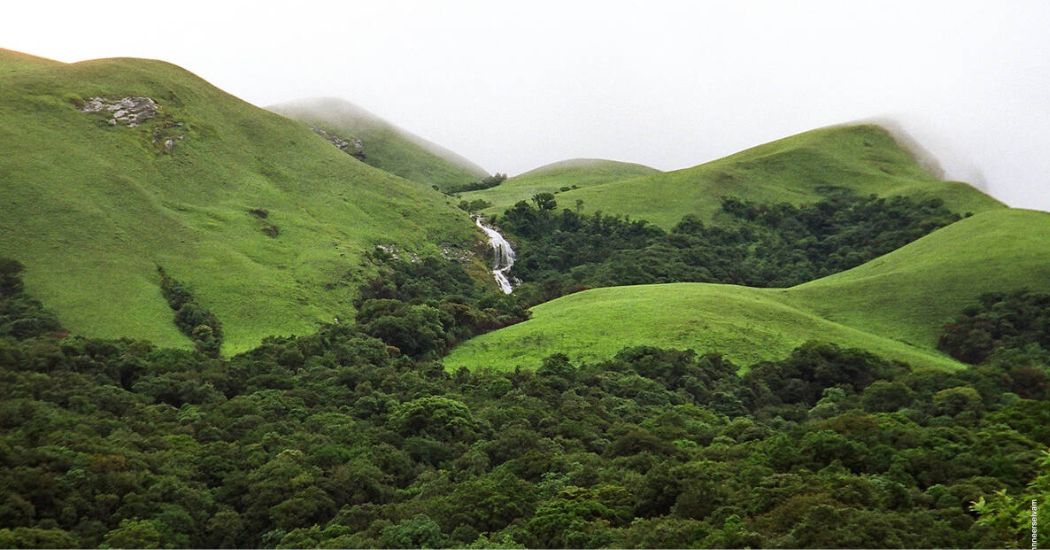
In fact, the idea to write this on a Sunday on such a deep yet fundamentally simple topic came from Rithwikji, someone wise whom I met in one such spiritual and literary congregation, the Western Ghats Lit Fest, 2025. He was kind enough to share some of that pragya he had experienced after his visit to the Kamakhya Devi Mandir in Guwahati, Assam. And so, it is with this spirit that I share my two bits of something on how life-changing a few moments of letting go or simply doing nothing can prove for us.
 Vignesh Ganesh is a lawyer and writer. He is interested in ancient history and Itihasa and this interest culminated in his first book, "The Pallavas of Kanchipuram: Volume 1", which he co-authored with Mr. K. Ram, a fellow enthusiast of Indian history and culture.