
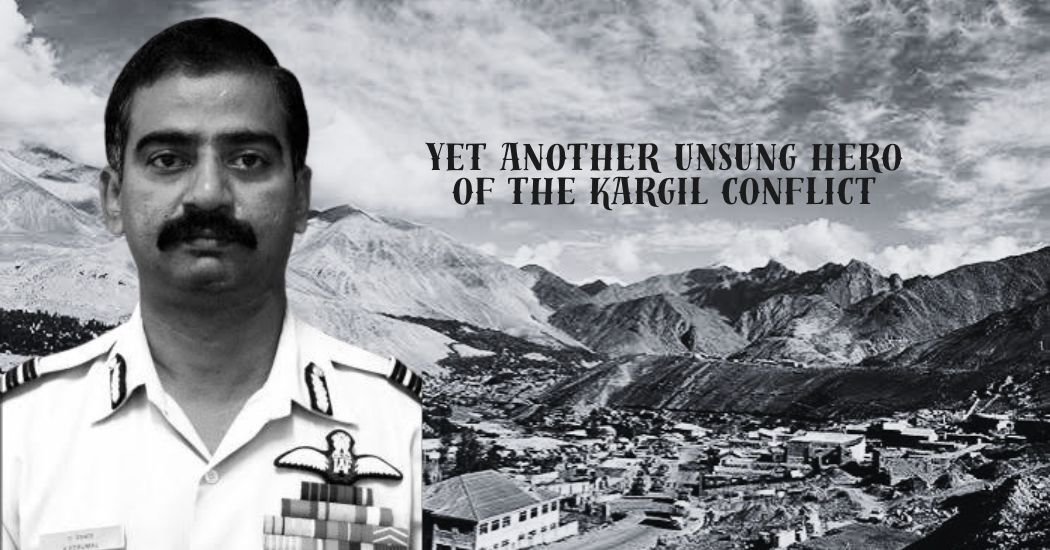
High above the icy, jagged battlegrounds of Kargil in the summer of 1999, the sky was not a place of refuge, but a crucible of fire. Jagged mountain peaks carved against the horizon provided treacherous cover for enemy strongholds, making air support vital yet exceptionally lethal. Into this hostile arena soared Squadron Leader Alagaraja Perumal, his bomber jet screaming through thin mountain air as ground forces depended on precision positions of the enemy to clear the unforgiving ridges.
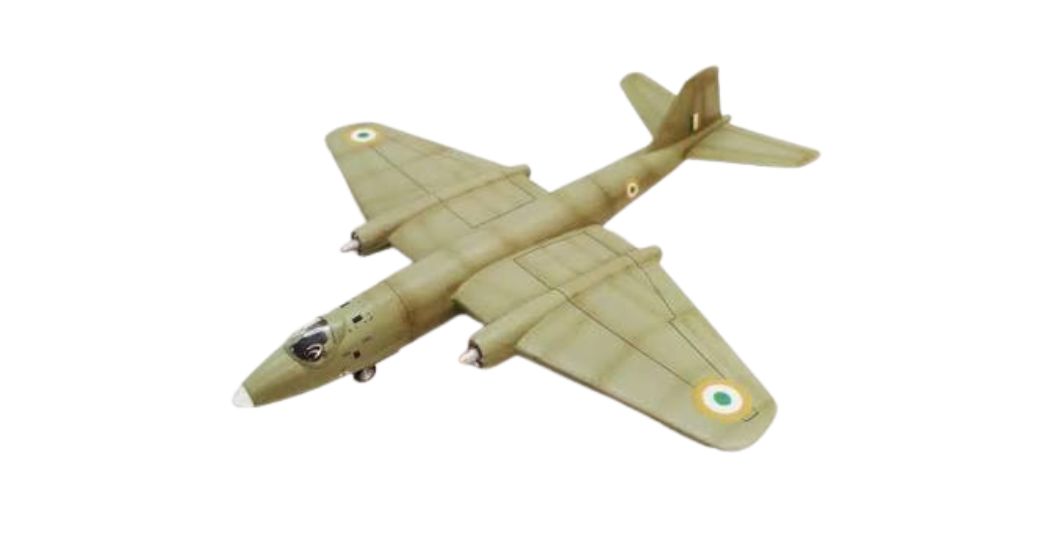
On May 21, 1999, days before full-scale air strikes officially commenced in Kargil, the true depth of enemy intrusion remained shrouded in military uncertainty. Wing Commander Alagaraja Perumal (then Squadron Leader) climbed into the cockpit of an aging, twin-engine Canberra PR.57 photo-reconnaissance aircraft, tasked with flying a perilous intelligence mission over the Drass, Kargil, and Batalik sectors.
 Crucible in the Clouds
Cruising over a hostile mountain corridor during a crucial photo reconnaissance mission, as he carved his path through the narrow mountain corridors, suddenly the sky erupted in a wall of anti-aircraft fire followed by a violent shudder tore through the airframe—a direct hit. Alarms blared, warning lights flashed crimson across the cockpit panel, and the aircraft lurched violently toward the abyss below. Hydraulic systems flickered erratically, and control surfaces buckled. He realised that the aircraft was ambushed by a Pakistani infrared surface-to-air missile. The violent explosion destroyed one engine instantly and shattered key control linkages. The heavy twin-jet began rolling and yawing uncontrollably, spiraling toward the granite peaks below.
Sqn Ldr Perumal made an immediate, uncompromising decision. Beneath him lay hostile, enemy-held territory and unforgiving granite peaks; in his hands was a crippled warbird fighting against its own mechanics. With cool composure and supernatural precision, he wrestled the shuddering stick. Ignoring the sirens screaming in his ears and the constant threat of follow-up ground fire tracking his trajectory, he focused entirely on the physics of survival.
Every input to the controls was a calculated masterpiece of muscle memory and absolute resolve. He felt the wounded aircraft respond inch by agonising inch, catching the air currents just enough to stabilise its descent. Coaxing every ounce of remaining thrust from his engine, he guided the damaged fighter out of the kill zone, navigating the narrow mountain passes with surgical calm. Inside the Canberra's belly sat high-resolution camera bays loaded with physical photographic film. Those images held the exact locations and massive scale of enemy strongholds—vital intelligence Indian ground forces desperately.
45 Minutes of Pure Airmanship
Completely disregarding his own safety, Perumal refused to pull the ejection handle. Over 45 agonizing minutes, he wrestled the asymmetric, single-engine wreck across 18,000-foot Himalayan ridges. Countering severe control resistance, he manually trimmed the crippled airframe to prevent a catastrophic spin. Navigating mountain passes he managed fuel and altitude over treacherous terrain with zero margin for error. Against all operational odds, he guided the crippled Canberra to Srinagar Air Force Station, performing a textbook emergency touchdown. His miraculous recovery was far more than a masterclass in extraordinary airmanship—it was a shining testament to the courage, discipline, and unyielding determination that define the finest traditions of the Indian Air Force.
Unsung Legacy
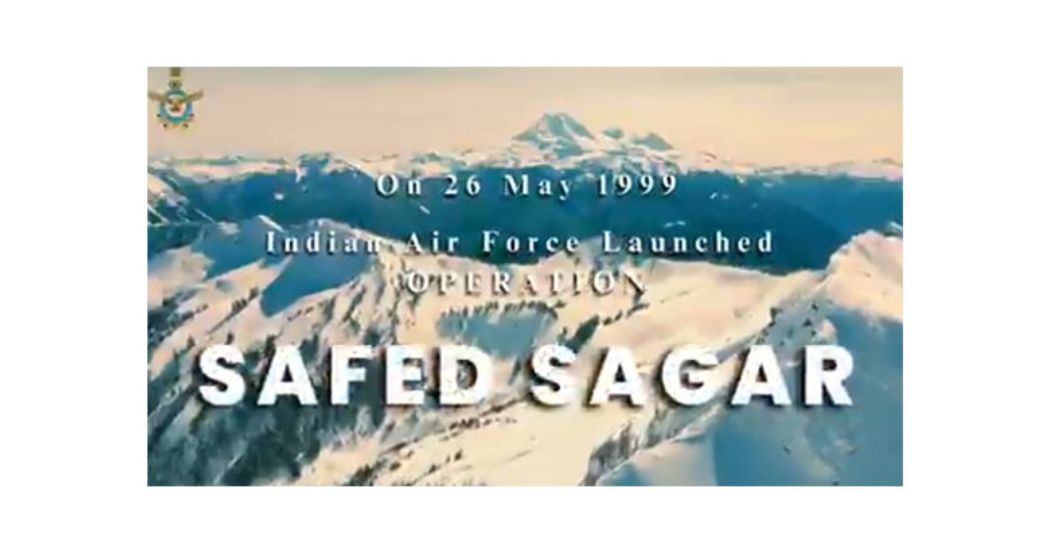
When intelligence officers processed the recovered film, the developed photographs exposed the full, staggering reality of the invasion—serving as the master blueprint for Operation Safed Sagar and the Indian Army's counter-offensive.
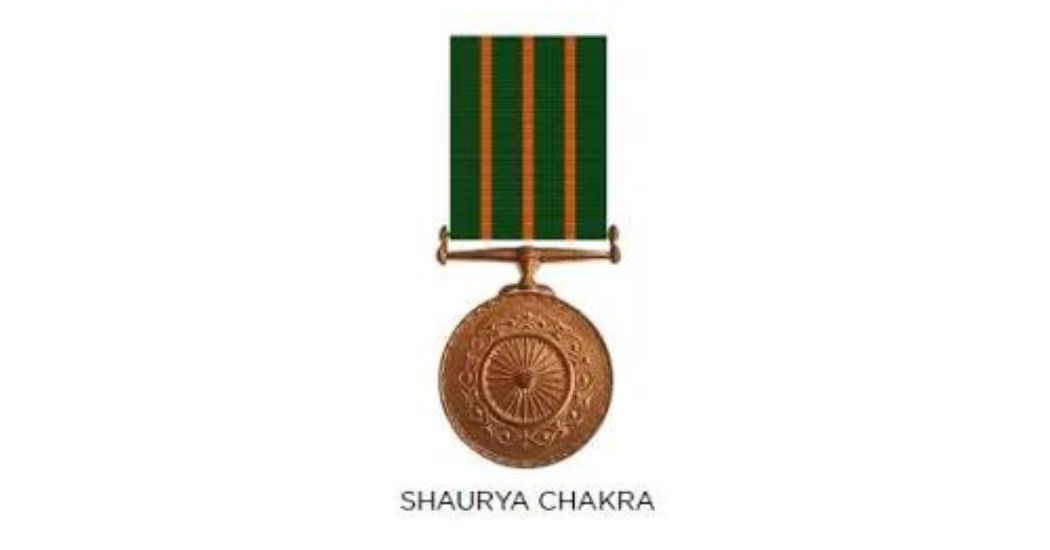
For his selfless valour, composure, and extraordinary airmanship, Perumal was awarded the “Shaurya Chakra”. After a distinguished career ending as a Group Captain, he transitioned to civil aviation, flying for commercial airlines and guiding charter operations in Bengaluru. Though he tragically passed away from a sudden heart attack in January 2012, his daring flight remains one of the most vital—and selfless—reconnaissance missions in Indian military history.
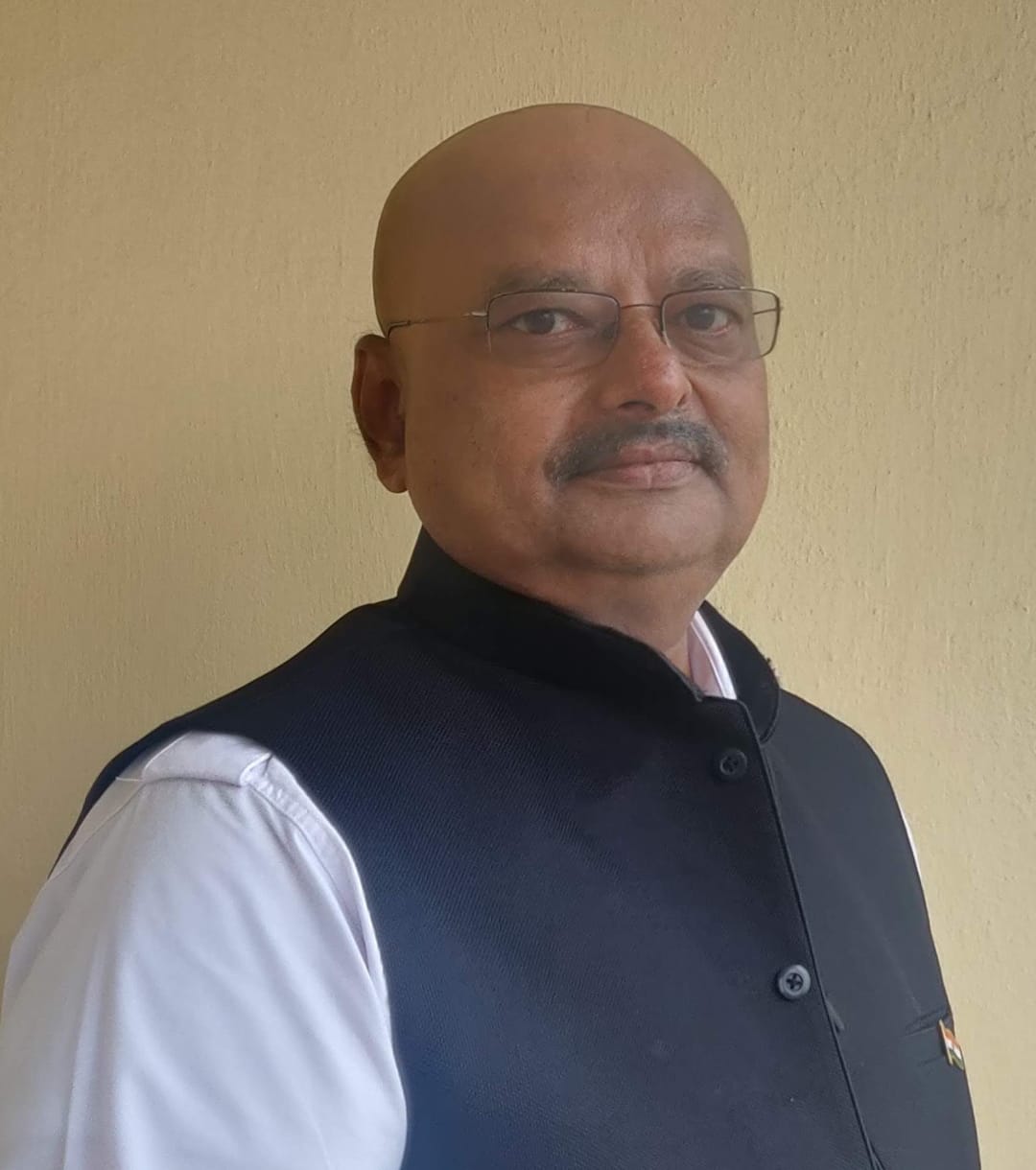 Wing Commander BS Sudarshan is a former Indian Air Force pilot with over 12,000 flying hours. He participated in Operation Pawan and Operation Cactus before he transitioned to civil aviation. A passionate writer, he has authored six books, including "Hasiru Hampe", appreciated by S L Bhyrappa, and the latest "Evergreen Hampi". He is a regular contributor to the Verandah Club.



Shri Ramachandra Prasad's captivating narrative and the hot chai that was served at the right time transported me to ancient Kerala, where the extraor...
Introduction In Bharatvarsha, History is not the account narrated by victors. It is the record left behind by survivors. The study of Indian History...
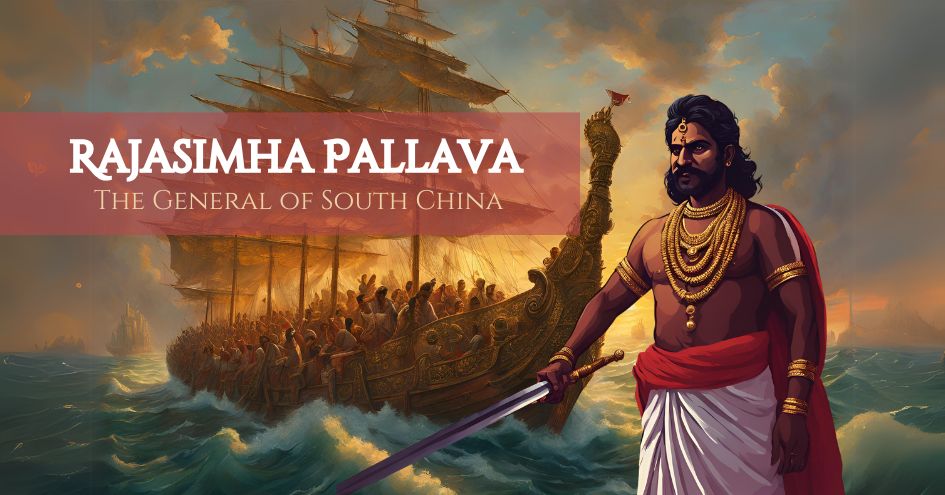
It is the first-half of the 8th Century C.E. in South India. The Pallava kingdom possesses strength and prosperity with some of the greatest monument...

Verandah Club is an initiative by few like-minds of Coimbatore who are interested to share information on various antiquities of Bharat.
Free download our iOS & Android app
© Copyright 2026, All Rights Reserved.