
Introduction
Once hailed as a nation of ‘exotic snake charmers,’ India has come a long way as one of the dominant players in the world on the global stage, especially in terms of medicine, healthcare and hospitality. In fact, in terms of medical tourism, India is one of the leading global destinations for medical tourism by combining high quality of healthcare and medical expertise with inexpensive and cost-friendly business practices. India i.e. Bharat is known as a pioneer in undertaking complex life-saving surgeries which are made affordable for patients arriving from other countries. As an organ (kidney) recipient myself, I can proudly say that our organ donation and transplantation programme is quickly improving and catching up to developed countries with people from around the world visiting us for inexpensive yet high-quality medical expertise and healthcare. Our pharmaceutical sector is one of the leading sectors in the world, championing the cause of generic medication dispensation at inexpensive rates not only to our people, but to the global population.
The Spirit of Ayurveda
However, Bharat’s propensity and spirit for medicine and healthcare is a result of its ancient roots immersed in the holistic system of Ayurveda. Before the supposed Western Enlightenment and following Industrial Revolution which gave rise to many of the some of the ‘medical discoveries’ that we attribute to the West today, Bharat had already been there and done that.
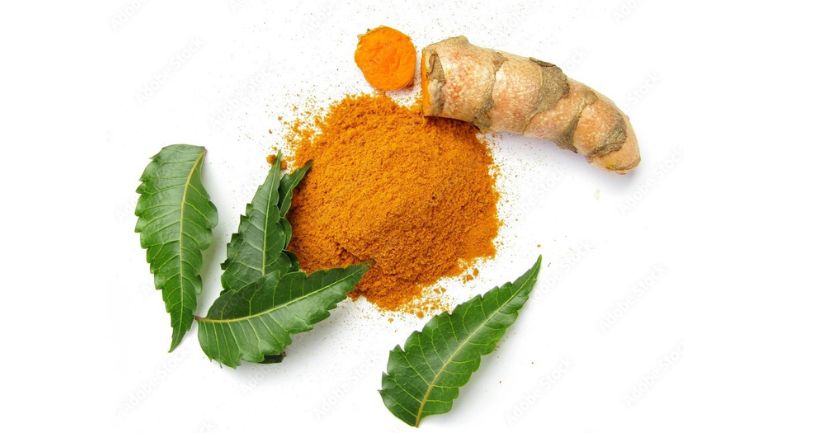
For example, the West has patented the medicinal qualities of Turmeric and Neem, but we know from our scriptures and age-old Ayurvedic traditions that have been passed down from generation to generation that these two plants have excellent anti-septic and antimicrobial properties.
Today, the West has supposedly discovered that the Guggul or Indian Bdellium serves as an anti-cholesterol agent while we know that it is merely just a transfer of information from our Vedic texts and traditions to their modern knowledge systems.
Long before the West discovered sanitation as a necessity for healthcare, Bharat practiced it on the family level with each family containing the basic knowledge of cleanliness, diet and medicinal herbs. The thing that we call ‘Paati-vaidyam’ or ‘Dadi-ka nuska’ is nothing but a reflection of these age old customs where every household cherishes and utilises the carefully cultivated and treasured home remedies and cures curated carefully by our elders by the method of trial experimentation and study. The use of ordinary day to day kitchen ingredients for treating and curing common ailments is something everyone of us has experienced. This knowledge is derived from the system of Ayurveda which is in turn derived from the four Vedas, primarily the Atharvaveda.
The Atharvaveda- a glimpse!
Atharvaveda is the one of the earliest, if not, the earliest medical and healthcare modules in the world, listing diseases, describing symptoms and prescribing herbal cures that are safe yet effective.
The Atharvaveda records collection, preparation and the dispensation of the herbal cures that treat a wide variety of the diseases that vex us today. However the Atharvaveda goes beyond that. Along with the Rigveda, it provides a study of our environment, climate and lifestyle effects upon our body and addresses the harmful effects using diet and medicine. The Rigveda itself lists over 1000 valuable medicinal herbs and their benefits. The Atharvaveda developed on this list to provide a whole wellness module!
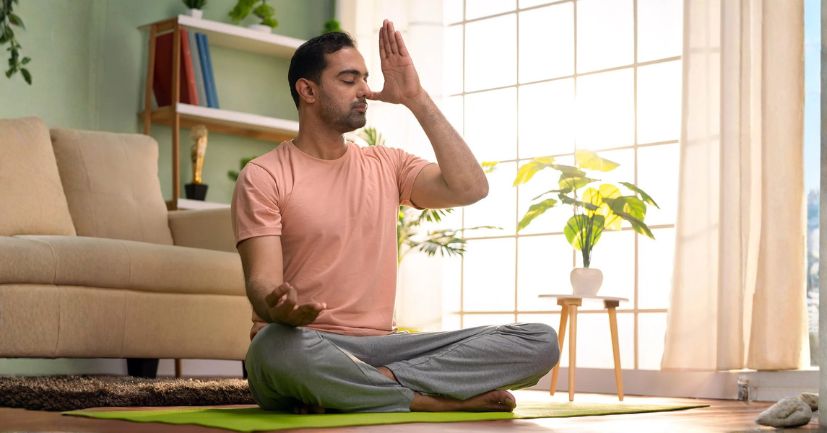
Further, while Western medicine has only just begun to comprehend the relationship between exercise and healthcare, the Atharvaveda is a compendium which professes exercise through the foundational aspects of Yoga along with dietary prescriptions and ritual cleansing as the first preventive line of defence against the contracting of diseases and developing illnesses.
Unlike the closed laboratory set-ups which the West prefers to rediscover many of these open secrets of ours, only to patent these ‘discoveries’ and impose them on us, our rishis and munis acquired this knowledge in the open. Through the study of forests and cultivating that knowledge through herbal gardens, they achieved balance and oneness spiritually in the lap of nature while serving the greater public good through their ashrams.
Sushruta
Everyone knows Sushruta today who is touted as the ‘Father of Surgery,’ pioneering and leaving lasting contributions in plastic surgery, performing procedures like rhinoplasty, lithotomy, trepanation and cataract surgery, long before the world realised how to hold a surgical knife properly. Trepanation for those who do not know what it is–it is the procedure to drill into the skull to relieve pressure or trauma with advanced precision. This was neurosurgery being conducted when the West was still practicing exorcisms!
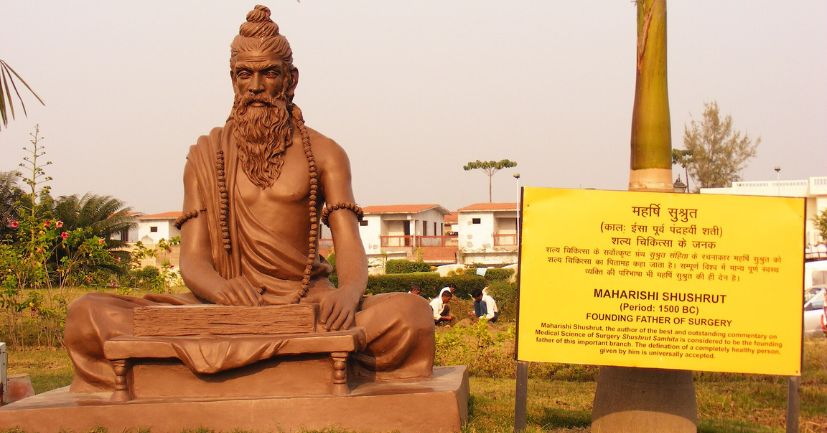
His authoritative works like the Sushruta Samhita guided generations of surgeons in ancient India and medieval India like Jejatta in the 7th Century C.E., Dalhana in the 12th century C.E., going as late as the 19th century C.E. with the Suśrutārthasandīpanī by Haranachandra and scholars like Madhusudan Gupta and Kaviraj Kunja Lal Bhishagratna bringing this ancient treatise to our domestic and global attention.
The relationship between body and mind
Now, an amazing attribute about Ayurveda is that it is a holistic system which not only addresses physiological but also psychological defects and deficiencies. The universal truth that stress affects our health is not a modern idea; it was shared with us by Ayurvedic practitioners (Vaidyas) a long time ago. While Yoga is a known and proven stress buster in the modern sense, it is not reserved to an exercise regimen as believed and propagated by the West, but is a comprehensive system which is meant to balance mental and physical health as the mind and the body are interconnected and the mutual support systems of each other. There is nothing religious about Yoga or Ayurveda for their principles apply to the human body and mind, irrespective of superficial religion or caste or creed.
Charaka has detailed in his treatises how lifestyle including proper sleep and dietary patterns go a long way in staving off illnesses, focusing on the three Gunas being Sattva (Harmony.), Rajas (Passion.) and Tamas (Inertia)(all meaning approx) and their interplay can affect us through our dietary, sleeping and exercise habits. Too much or too little of these three Gunas can among other things cause hypertension or stress disorder on one hand and lethargy and obesity on the other hand. Therefore, a Sattvic lifestyle goes a long way towards ensuring good health. These observations are way before any Western doctor figured out the play between mind and body and how their imbalance causes disturbances in a person.
The West was also quick to simply dismiss our mantras as a sort of ‘magic chants’ used to ‘miraculously’ seek cures. What they failed to understand was that each mantra wasn't a primitive incantation. They were a means to complement the more active herbal cures administered to a patient by soothing the person’s agitated mental state, thereby serving as a part of an integrated psychosomatic treatment model for a person’s overall health.
The acknowledgement and white-washing by the West
Now when it comes to acknowledging and giving Bharat the due credit for its contributions to the world health systems, the West has been unsurprisingly stingy about it.
While Arabs and Greeks used our findings and included them into their own medical and healing systems, with the Arabs even calling us the fountainhead of medical knowledge, the exchanges among our civilisations even served to enrich our own understanding of health and medicine. However, the West after the medieval era progressively began misappropriating our ancient knowledge to suit their selfish commercial interests and white-washing our history with lies and propaganda, citing our knowledge as their discoveries and us as backward. The British started discouraging inoculation from 1802 or even earlier and went so far as to ban the same in 1804, which was a practice discovered by us to treat highly infectious diseases like small pox long before the British figured it out, only for them to repackage and sell it to us in the 20th and 21st centuries C.E. with Waldemar Haffkine held as the ‘forgotten pioneer of inoculation' and Edward Jenner being touted as a ‘father of vaccination.’
The West systematically used oppressive laws and their airtight IPR systems to misappropriate our ancient Vedic medical knowledge, package and sell it as a main part of their allopathy system and dismiss our Ayurvedic knowledge as an alternative system of medicine that it is widely believed today.
Horace Hyman Wilson (1786–1860) wrote and acknowledged this about our Ayurveda: “Their diagnosis defined symptoms with accuracy, and their Materia Medica is most voluminous.”
Lord Ampthill, Governor of Madras (1905), wrote that: “The Hindu Shastras contain a sanitary code no less correct in principle than modern science, and Manu was one of the greatest sanitary reformers the world has ever seen.”
Albrecht Weber (1825–1901) observed the following about our scholarly output when it came to medicine: “The number of medicinal works and authors is extraordinarily large.”
Medieval travelling writers like Abdur Razzaq, Ibn Battuta, Fernao Nuniz and Domingo Paes wrote about the sophistication, sanitation and cleanliness of Vijayanagara despite its massive population and imposing infrastructure.
Today, there are sections of the West reattempting to assert their ways over us by resorting to its dominant position in the world and using their legal, technological and economic might to create pressure upon our Indian pharmaceutical and medical sector to stifle our innovation through stringent intellectual property enforcement and regulatory hurdles. However, that does not rule out those sections of the West that seek to bridge these gaps and establish new partnerships in the spirit of cooperation that will only lead to the betterment of the world in the long run.
Conclusion
Bharat is a country bestowed with knowledge that appears divine and was acquired through intensive focus, experimentation and discipline. It only serves to highlight what we as a people can achieve collectively and as a united front against elements that seek to undermine us. Our tradition and culture, while possessing some backward elements, like other cultures around the world, should be embraced as a whole when it comes to the Dharmic principles it propagates. The Ayurvedic doctrine and herbal cures available to our households from our ancestors in the family is proof of the democratisation of medicine in India and therefore, in this spirit, we must strive towards making the Right to Healthcare as a universal fundamental right under Article 21 of the Indian Constitution (Right to Life).
I would like to thank the Kaivalypadama Magazine for the knowledge it presented on this great topic. It was an amazing reading, research and writing experience, opening my eyes to certain truths that I did not realise until I conducted research for it. This article is written in the spirit of fostering research into our ancient knowledge that has been dormant for far too long and faced neglect as a result. As citizens, it is our solemn duty to know more about our history for it gives us a peek of who we are today and what we can become in the future.
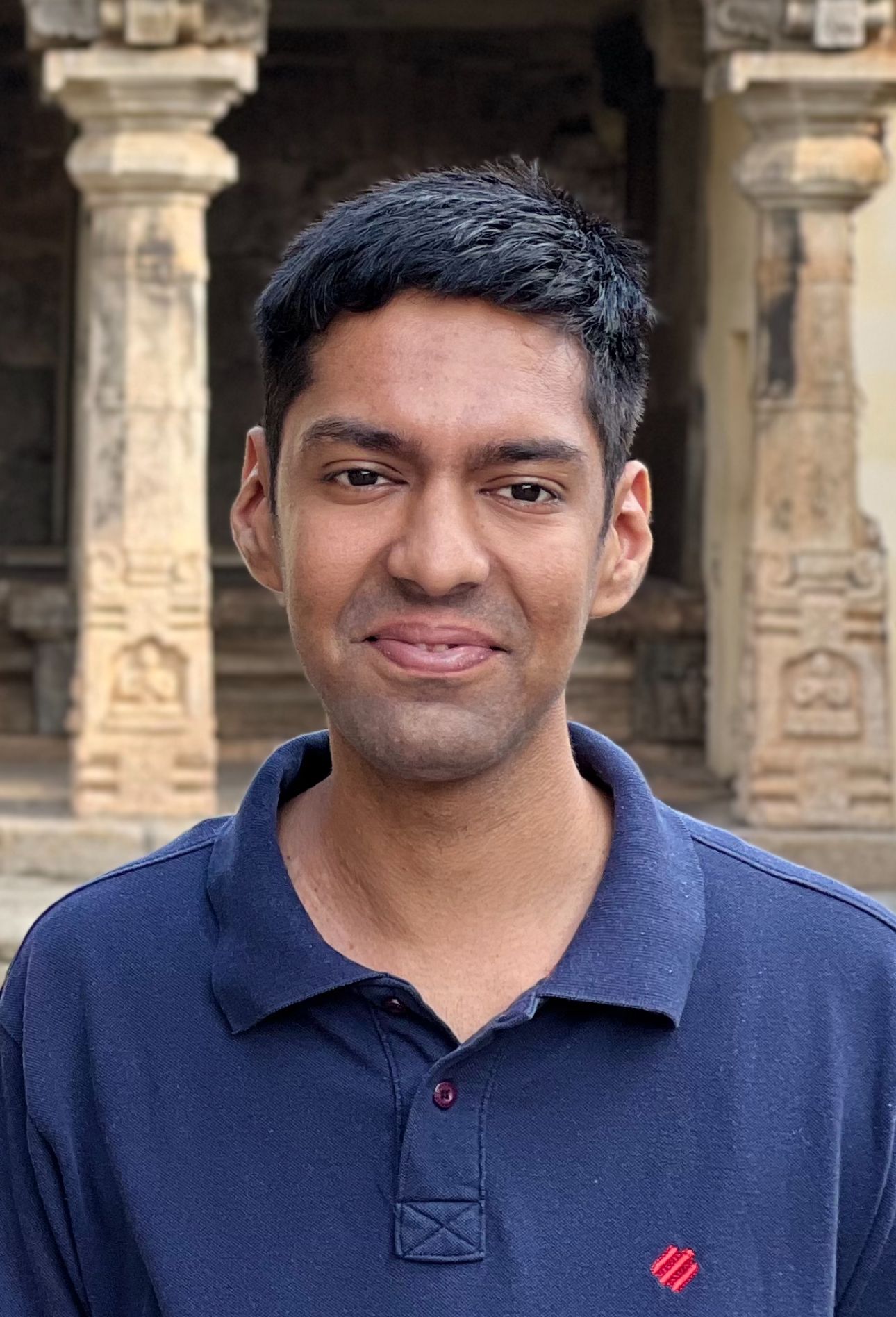 Vignesh Ganesh is a lawyer and writer. He is interested in ancient history and Itihasa and this interest culminated in his first book, "The Pallavas of Kanchipuram: Volume 1", which he co-authored with Mr. K. Ram, a fellow enthusiast of Indian history and culture.

The Venkateshwara Swami Temple in Tirupati is among the holiest places in the world for Hindus. Millions of people throng the temple every year to get...
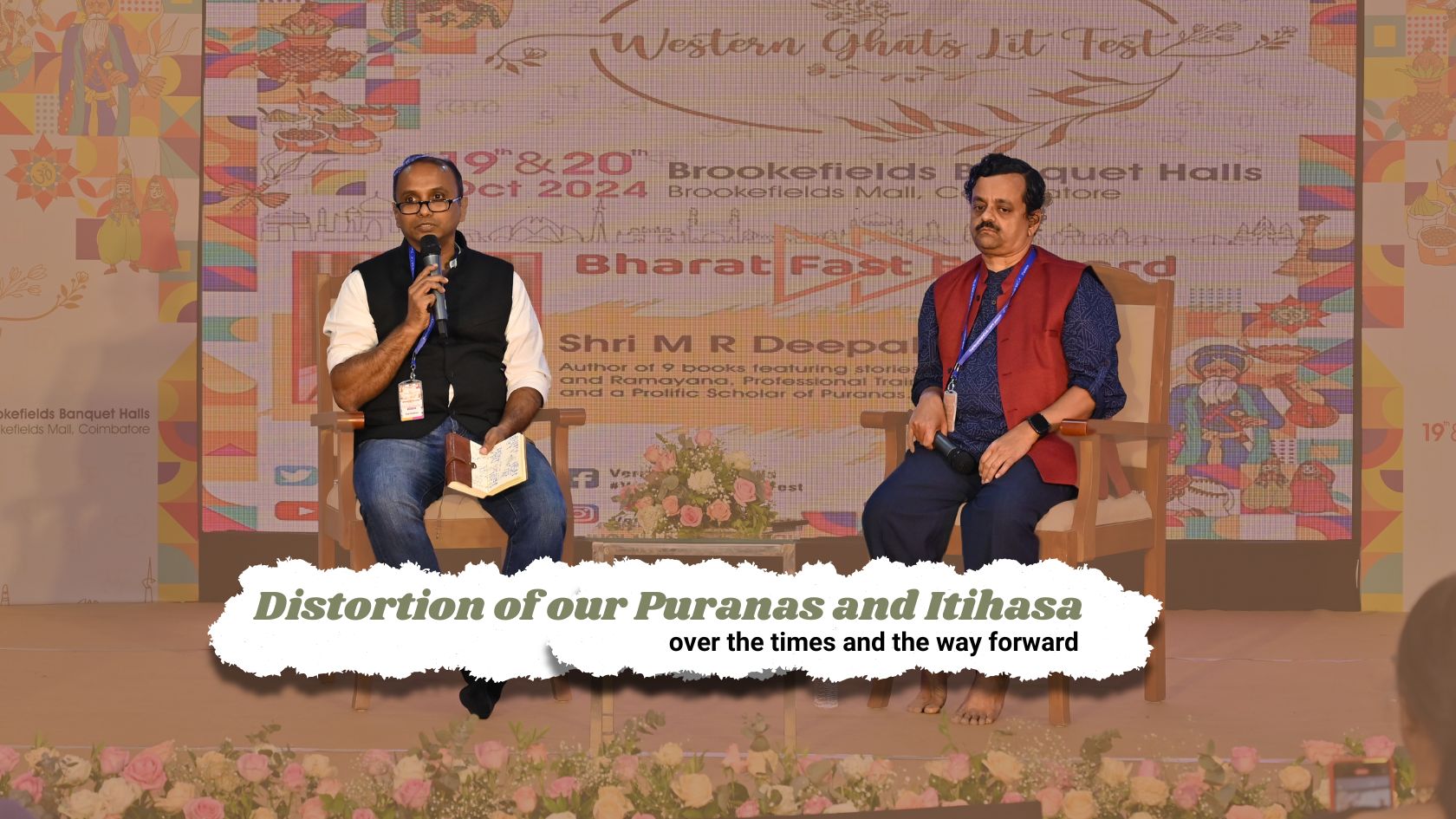
It is a sad reality that our Itihasa and Puranas have been subject to severe distortion over the years. This is not surprising considering how even th...
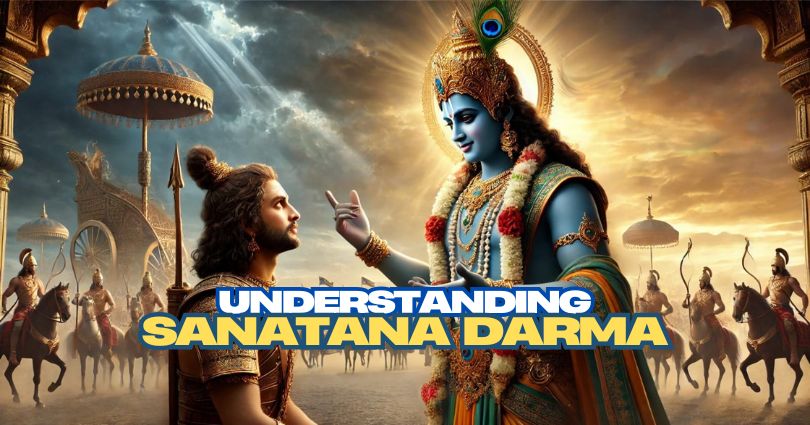
The holy land of Bharat follows Sanatana Dharma. The word Sanatana Dharma is a Sanskrit word meaning, “Eternal law”. It is the indestructible ultimate...
Verandah Club is an initiative by few like-minds of Coimbatore who are interested to share information on various antiquities of Bharat.
Free download our iOS & Android app
© Copyright 2026, All Rights Reserved.